May and June Updates
Roadside weed-eating made up most of the work in May and June. Some places need more attention than others due to varying vegetation growth. Typically, we start weed-eating at the front entrance and work our way all the way up Amber Drive before hitting the road sides. roads. If your section of roadside hasn’t been weed-eated, then please be patient. Once all the roads have been weed-eated, we start at the front entrance again and repeat the process. Besides improving the looks of Amber Ranches, weed eating also serves the purpose of exposing ditches and culverts. Along with summer also comes heavy downpours that take a toll on our roads. These heavy rains are bad to wash the roads out and therefore more time was dedicated to scraping the roads in the months of May and June.
Due to summer heat and occasional dry spells, the roads often become hard and dusty in the summer months, thus making road scraping impossible. When these conditions exist, please be patient. We will do our best to scrape the roads after a rain when the roads are soft enough to scrape and smooth out the gravel. It’s always good to drive slowly on our roads, but dusty conditions make this even more important due to potentially blinding any vehicle following behind you.
Gravel Loads
Three loads of gravel (road bond) were delivered and spread during the month of June (Note: Even though we often call it “gravel,” what we are actually putting down on our roads is “road bond.” Road bond is gravel that has been mixed in with crushed, sand-like stone in order to provide vehicles with better tire traction. Gravel alone is too loose and therefore prevents good tire traction.)
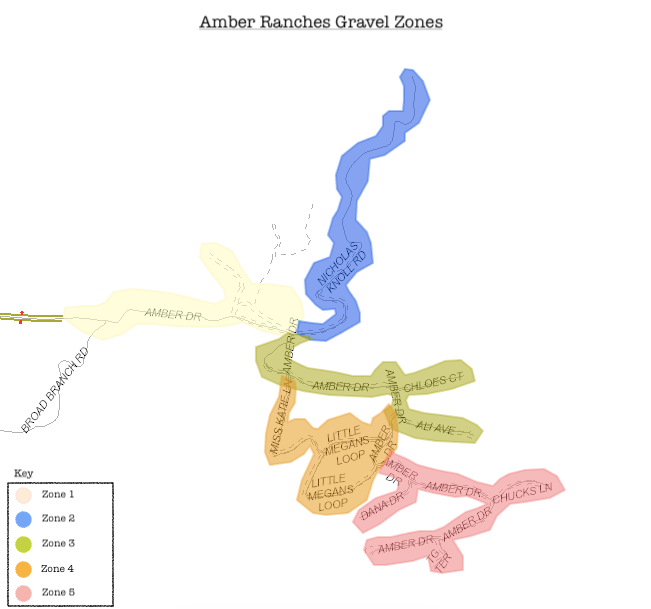
On the map below, you will see that our roads are divided into five zones. Two loads of gravel (road bond) were put down in Zone 2 and another load was put down in Zone 3. These loads were put down in areas where the gravel was thin and hard to scrape.
Summer Vegetation
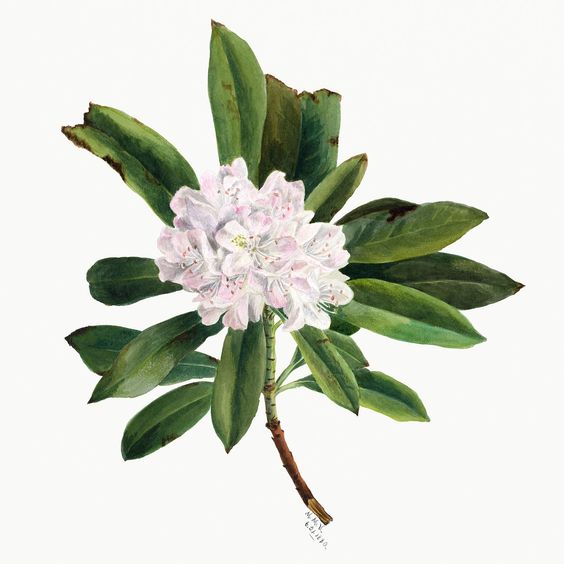
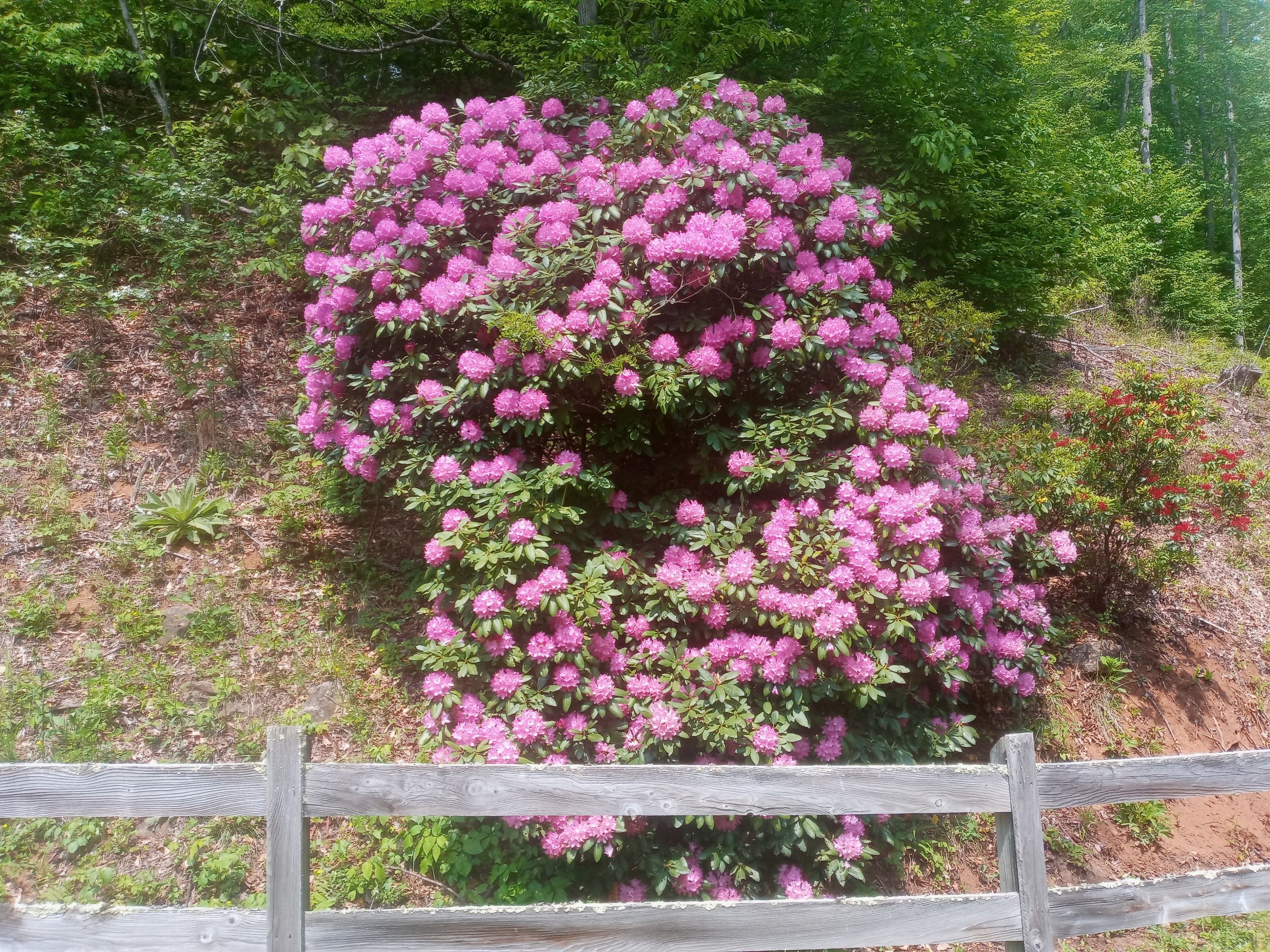
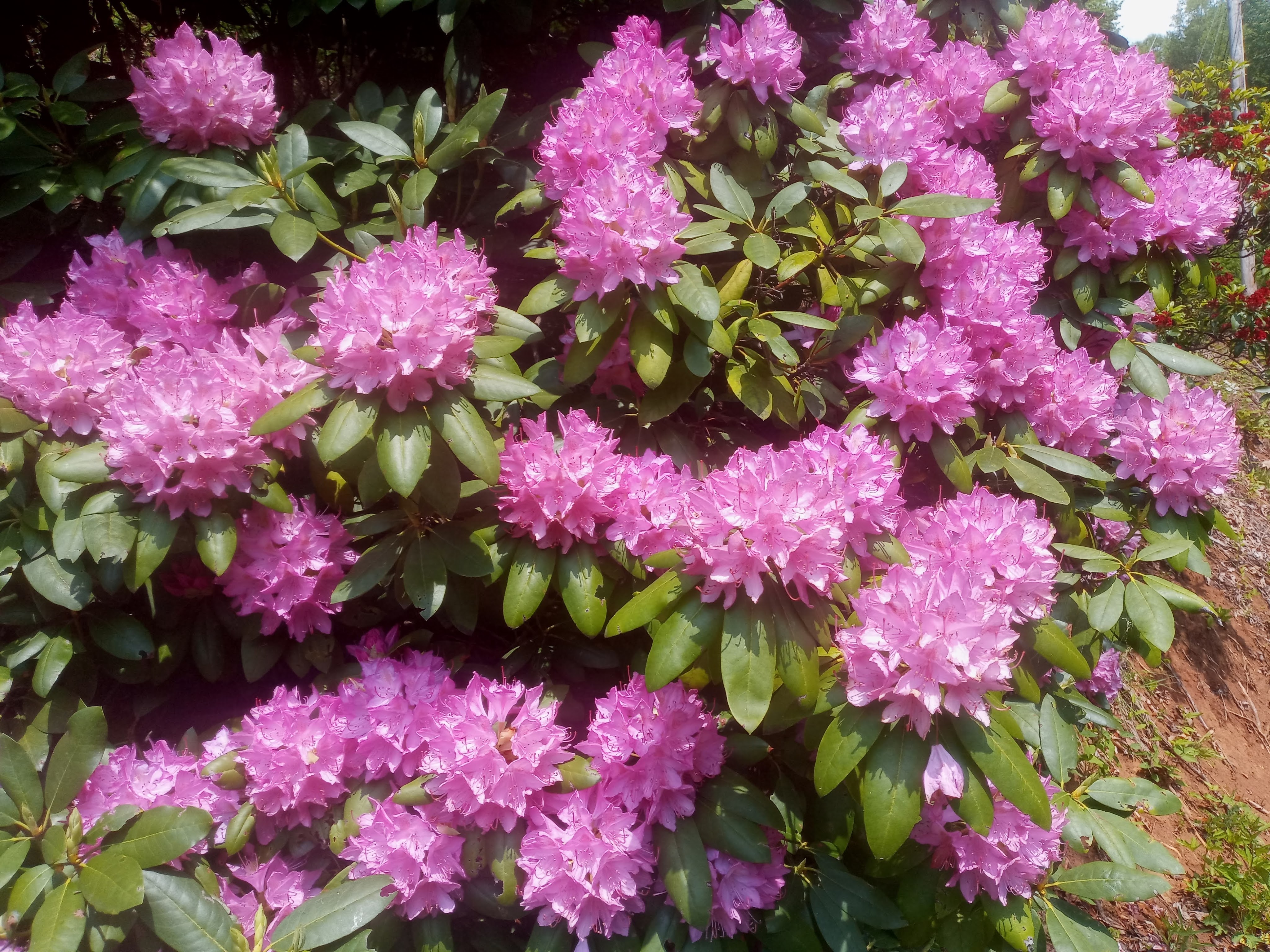
Near the Front Entrance Bridge of Amber Ranches is a large Catawba Rhododendron (pictured below). This rhododendron is sometimes referred to as Rosebay Rhododendron. It is native to the Appalachian Mountains and can sometimes grow to be over 10 feet tall. It has evergreen leaves and usually blooms in early summer.
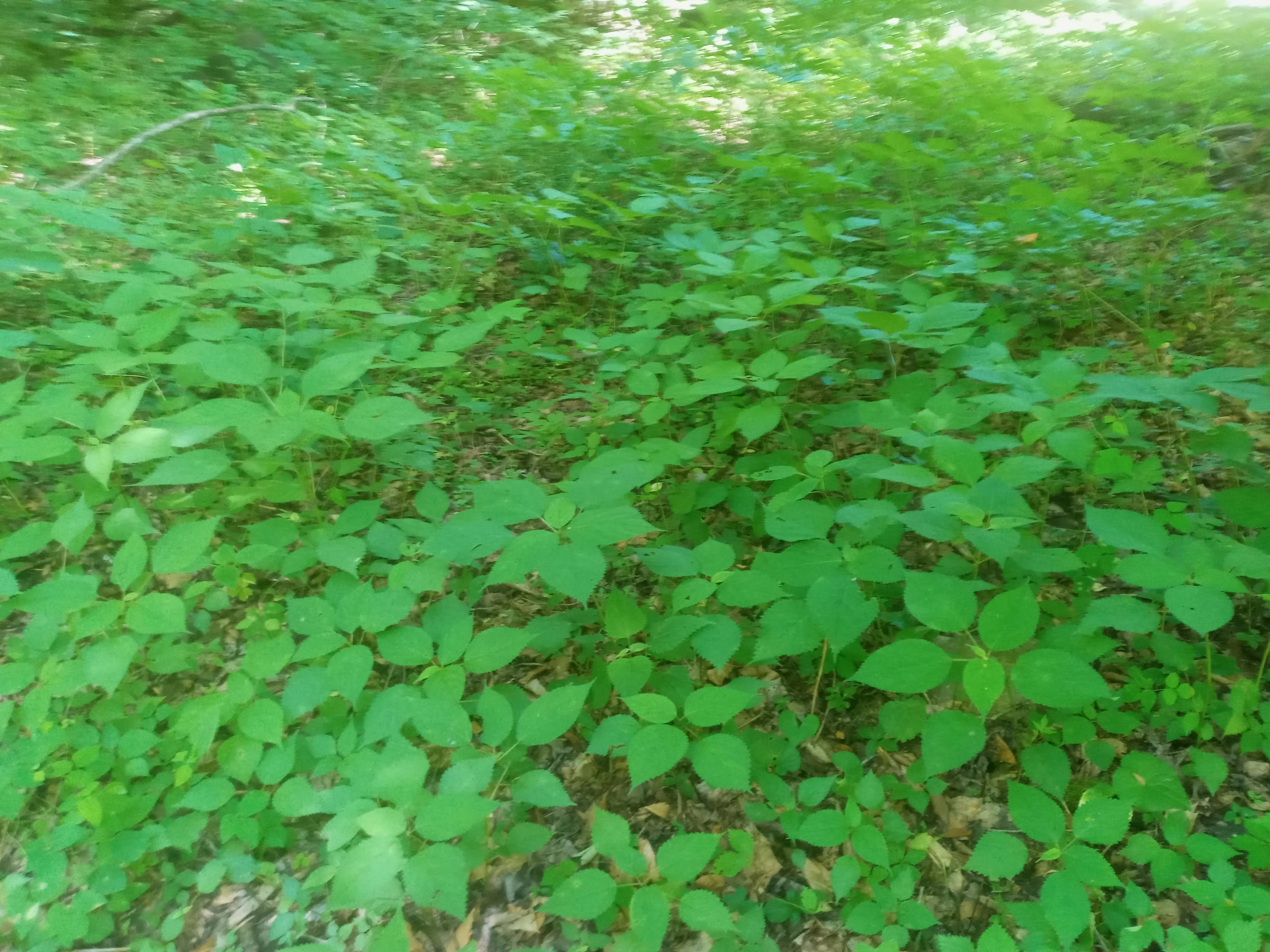
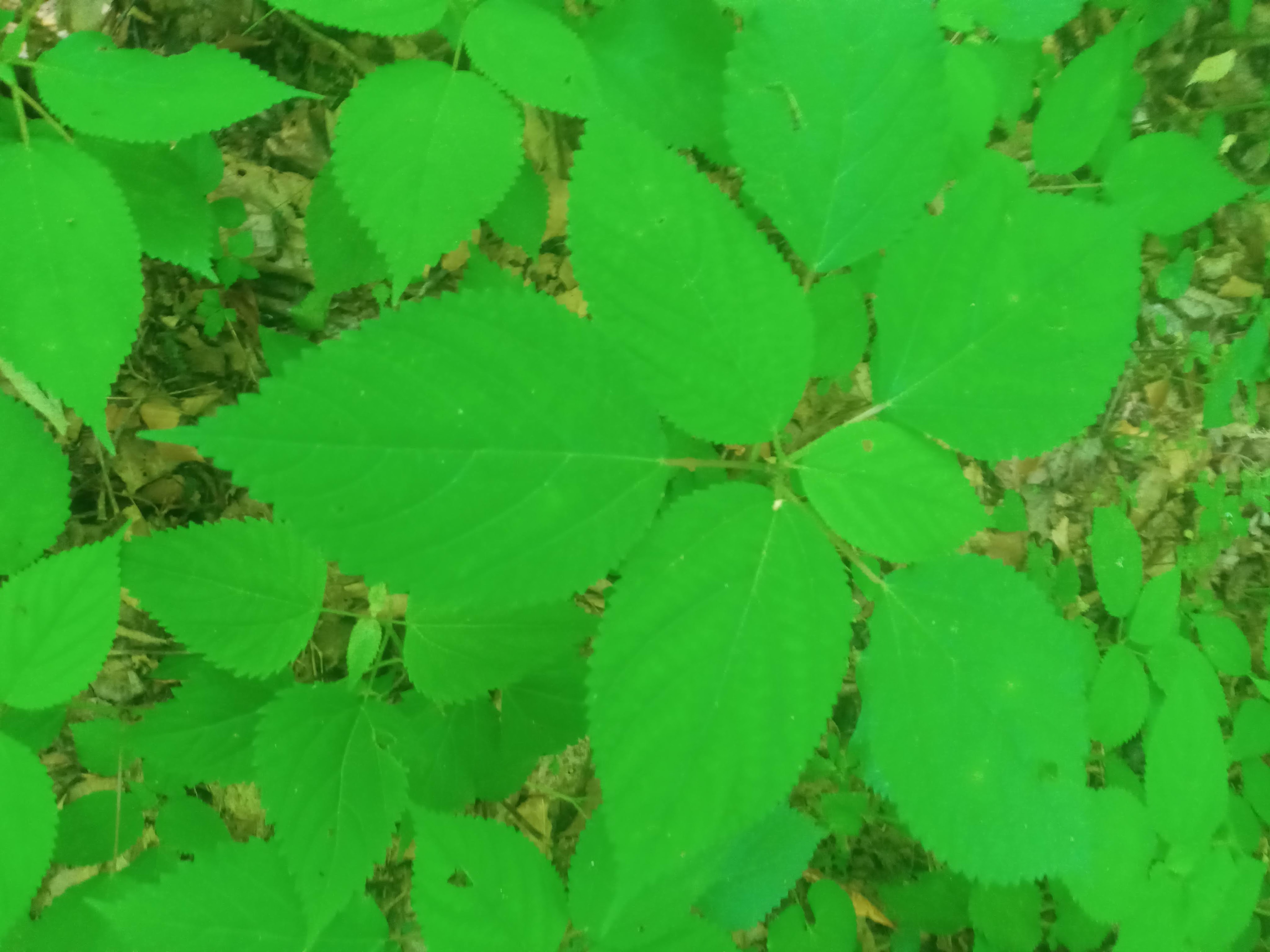
Beware of our summer wood “stinging” nettles! Stinging nettles (pictured below) pop up in the woods in the summer and can be quite painful and itchy if they brush up against you. It’s always a good idea to wear long pants while walking around in the woods due to plants and ticks during the summer. Mature stinging nettles can grow waist high and can be identified by their serrated leaf edges and tiny barbs along their stems. The pain isn’t excruciating or deadly, but it can be very unpleasant. On the bright side, stinging nettles are also edible. You can cook the sting out of them and use them in a variety of dishes. A variety of medicinal uses are also associated with stinging nettles.
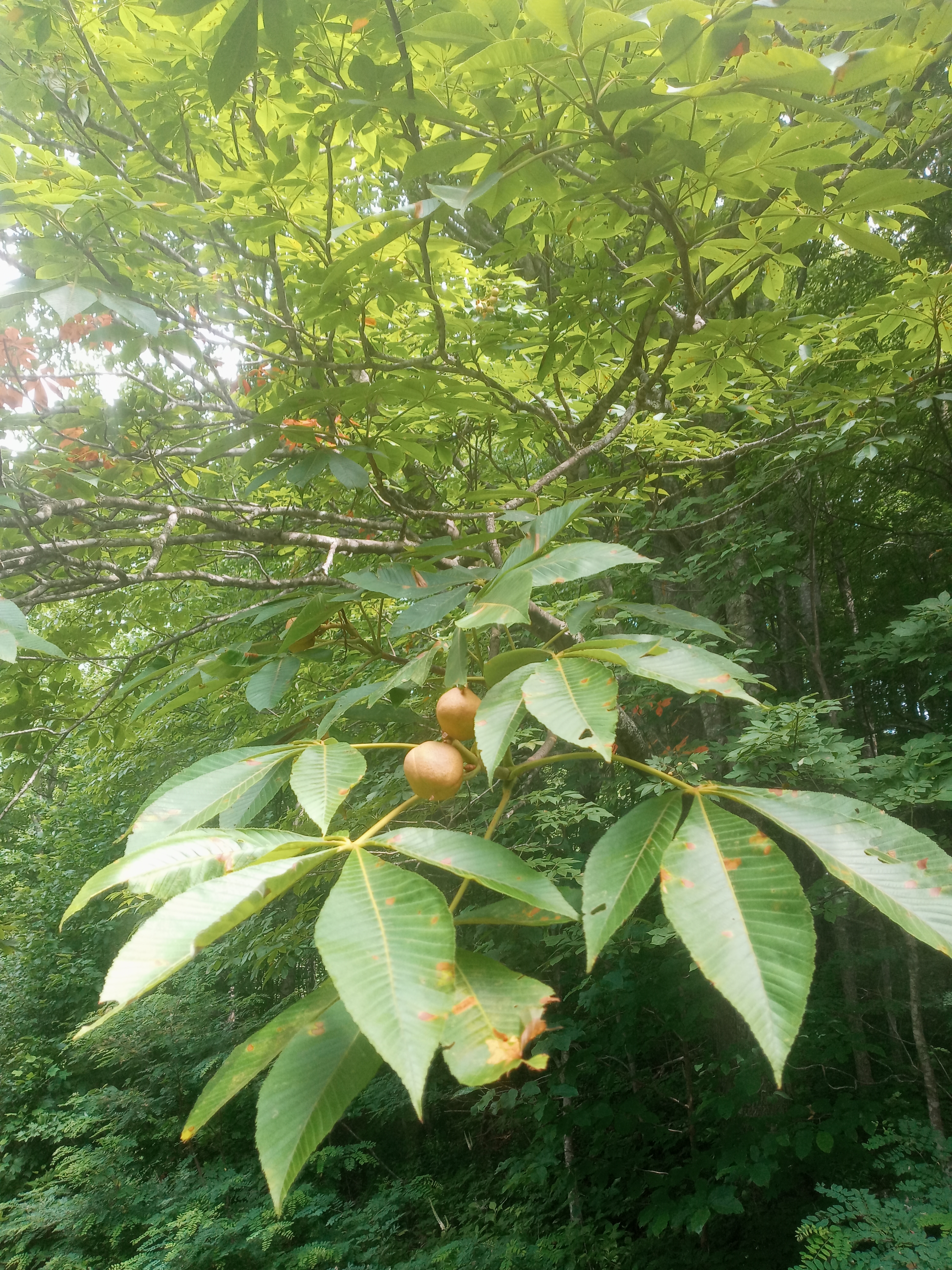
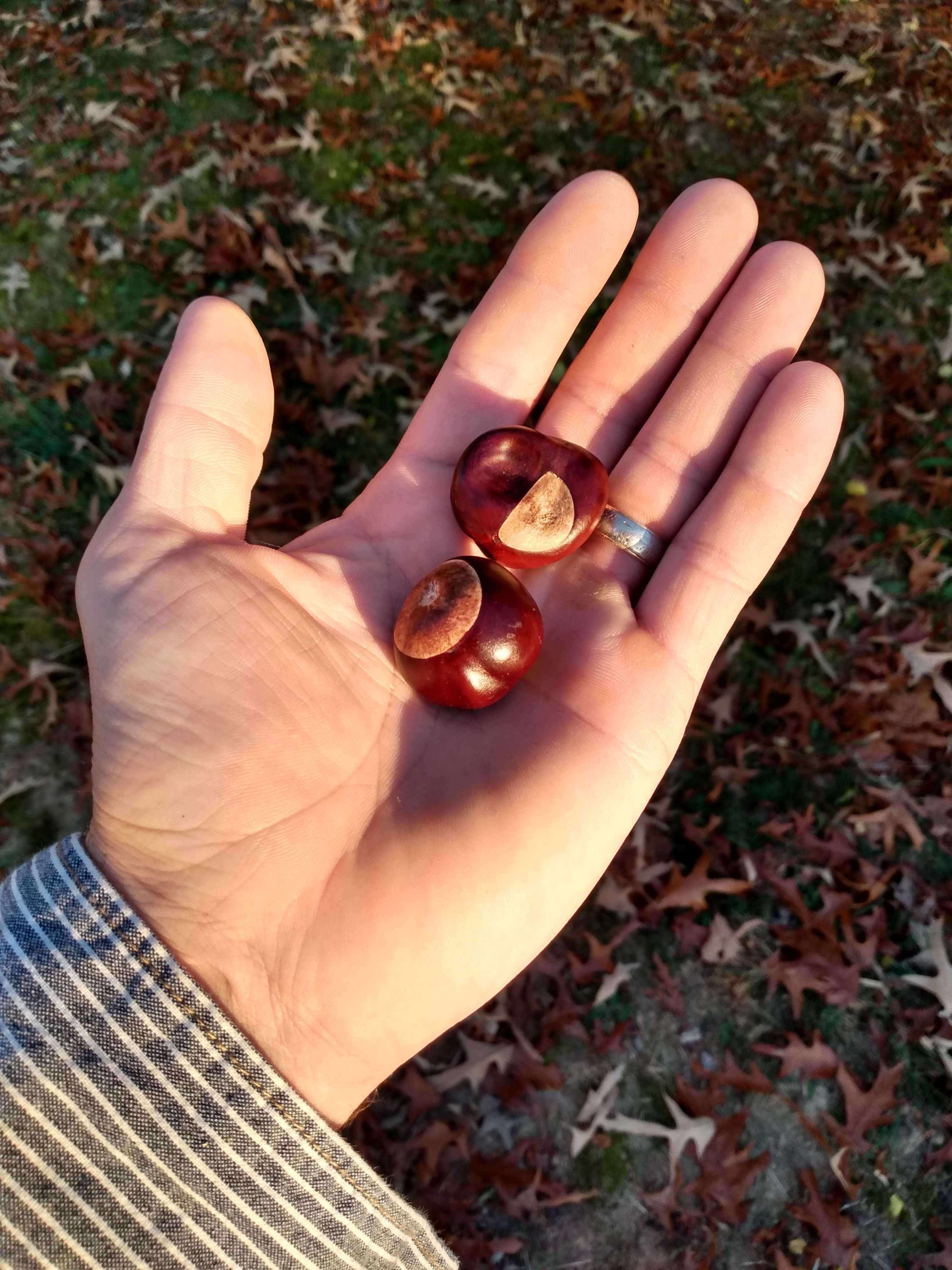
The Buckeye Tree (pictured below) can be seen growing all throughout Amber Ranches. They can grow to be over 50 feet tall and are easily identified by their distinct five leaf cluster of leaves and fruit (nuts). Although these nuts look edible, they are poisonous and should never be eaten. However, old timers believe that the mature buckeye nut (which resembles the eye of a male deer, hence the name “buckeye”) is good luck. Some folks today still carry buckeyes in their pockets or purses.
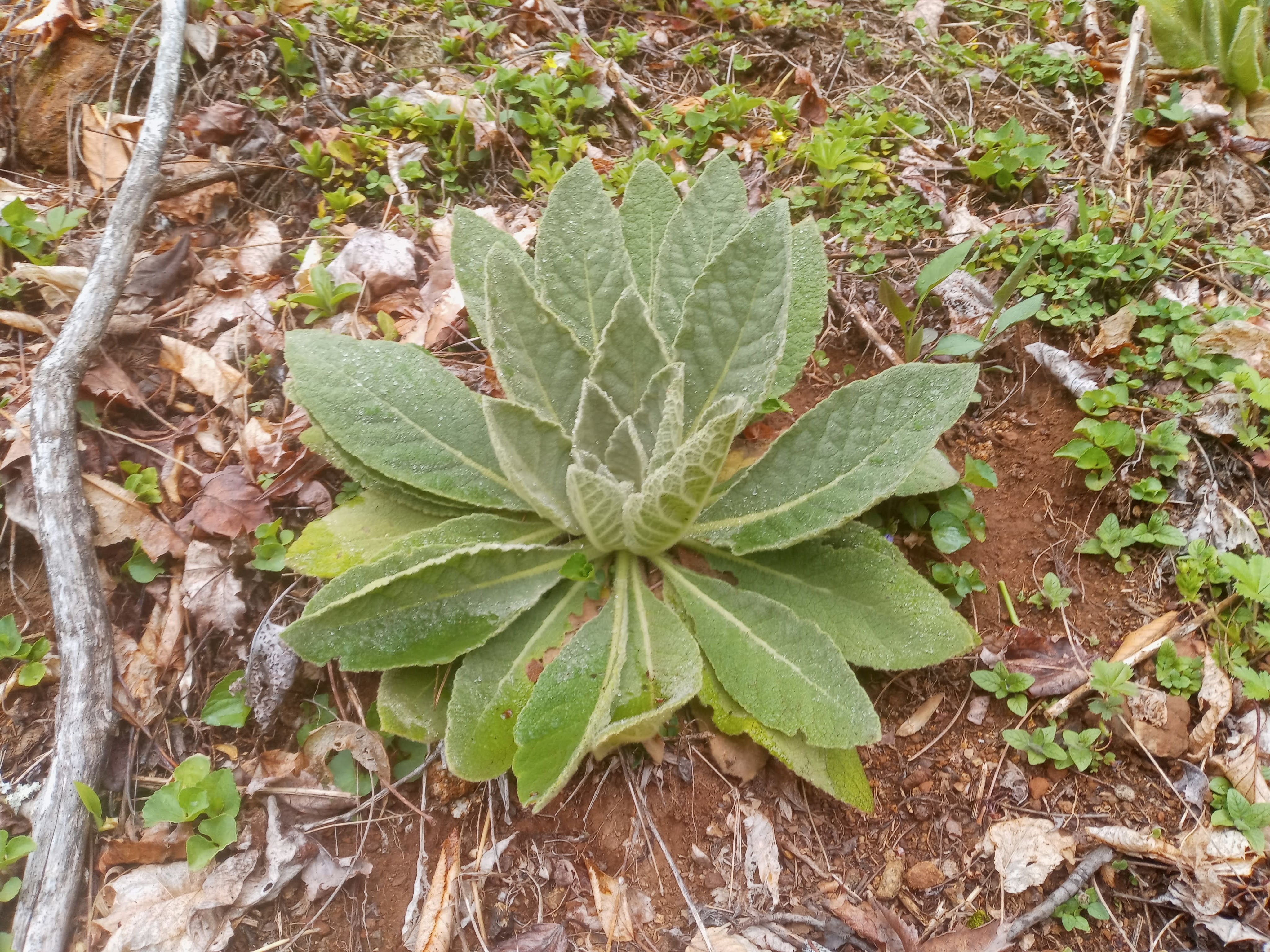
Mullein Plant (pictured below) can also be found on the roadsides of Amber Ranches. The leaves are soft and velvety and for this reason, some people refer to it as “Velvet Plant.” Old timers would put the soft, thick leaves in the toes of their shoes in the winter to keep warm and also referred to Mullein Plant as “Beggar’s Blanket.” If you look this plant up on the internet, there are a variety of different traditional medicinal uses. Native Americans would smoke the leaves in an attempt to heal respiratory problems, a tradition that some natural herbalists continue today.
 Hardin Brothers Landscaping
Leave a comment