Religion in Buladean
Religion can be a big topic when it comes to mountain culture. Snake handling is a common topic. Speaking in tongues often comes up. Foot washings, faith healing, and folks being anointed with oil are also talked about. It’s also worth noting that people have profited greatly from exaggerated stereotypes of Appalachia.
Mitchell County wasn’t a place that the Cherokee Tribe chose to live. They passed through this area on their long hunts, but that was about the extent of it. The Cherokee lived in the fertile river valleys of eastern Tennessee, southwestern North Carolina, and northern Georgia. They weren’t living in Buladean when the European settlers arrived.
Archaeological sites in Yancey County do confirm that the Cherokee hunted in this region. This includes the Cane River and Toe River valleys. Cherokee hunters certainly brought their beliefs with them on their hunts. However, I am not fully knowledgeable about what their beliefs were at the time. Certainly they had a belief in the balance of all things. They certainly valued nature and the belief that all things were integrated and connected when it came to spirituality.
When European pioneers moved into the region, they brought Christianity into the region. They also brought their diverse, old world languages, cultures and beliefs into the area. Regardless of their unified Christianity, the religion that the pioneers brought into the region was largely disorganized.
Scots-Irish, Northern English and Welsh Protestants introduced their Celtic influences to Christianity. There were also Germans that eventually brought in their own languages, cultures and versions of Protestantism.
The integration of this Northern European Protestantism eventually morphed into what we now call “Mountain Religion.”
These were folks who left the Old World because of economic, political and/or religious reasons. Each individual family that settled here was looking for a life that was better from the life they came from.
This diverse group of Northern European Protestants had their differences and often fought. Over time, this fighting eventually morphed into a melting pot of northern European beliefs, cultures and languages.
The predominant religion brought into Mitchell County was mostly influenced by Scots-Irish and Welsh immigrants. They had Calvinist (Presbyterian) roots and were heavily influenced by the 2nd Great Awakening. Most of these pioneers became Baptists due to a lack of educated clergy on the frontier. Baptist churches still remain the most prevalent churches in the area.
In neighboring areas of northern Mitchell County like Harrell Hill and Pigeon Roost, the German influence was more prominent. The pioneers of these areas spoke German and practiced the Brethren version of Protestantism. They too were heavily influenced by the 2nd Great Awakening.
Ultimately though, the English language and culture came to dominate this region. Having said this, there is still a lot of Celtic and German influence in the Mitchell County culture.
The 2nd Great Awakening had a huge influence on all of Appalachia. In Buladean and Mitchell County, all the churches were influenced by this movement. They organized camp meetings and focused on an individual’s free will.
The idea of having free will contrasted with the old Presbyterian, Calvinist idea of predestination. These meetings emphasized emotional, fiery preaching and social reform. “Being led” to sing, faint, shout, laugh and cry were all common during this time period are still prevalent today.
I can’t imagine growing up in Buladean in the early 1800s when the 2nd Great Awakening was taking place. It truly was a religious revival. It was something that the old time Calvinists probably weren’t a huge fan of.
There were a lot of rowdy and rebellious folks that took part in this movement. They were unconventional and protested the Calvinism of their forefathers. They favored something new with more feeling and emotion.
My Granddaddy told me about the time that his father became very full of the holy “spirit.” This “spirit” was half holy and half corn liquor. He and his buddies decided to go to a camp meeting while under the influence. They were so full of the “spirit” that they wound up running around and around the church.
Believing in an individual’s free will to choose is a key point in understanding Buladean’s religion. Most of the churches in Buladean were founded after the 2nd Great Awakening took place. These churches still hold many of the movement’s original beliefs. It’s undoubtedly sure that many folks discovered salvation and were born again without the influence of alcohol.
Other churches in the mountains embraced the free spirited ideas of the 2nd Great Awakening. They took these ideas in new directions. This is where snake handling comes in…
In some parts of the mountains, people still handle snakes. This happens when the congregation is extremely full of the Holy Spirit. They believe they can handle snakes just like some of those of the early Christian church did.
Having said this, I’ve never known of a church in Buladean, nor Mitchell County to have ever handled snakes. My Granddaddy also said that he never knew of a church in Mitchell County to have ever handled snakes.
Speaking in tongues does still exist in the region, but it’s very rare. The Pentecostal/Holiness Churches are more known for this, but they are few and far between. These churches are also quite unfairly stereotyped. The Pentecostal/Holiness Churches that I know in this area are more known for accepting electric music than speaking in tongues. My Granddaddy said he only knew of one church to ever speak in tongues. Whether he saw this in person, I do not know.
Faith healing is more common than speaking in tongues and still exists in Buladean and Mitchell County. Having said this, faith healings are becoming more and more rare.
There are a decent amount of Buladean and Mitchell County residents that have faith healing stories and beliefs. These healings are performed by individuals and congregations with strong faith. They can tap into the healing abilities of God, Jesus, and the Holy Spirit. Some say that these abilities can be passed down to family members or friends of extremely strong faith. Others say it can be performed by congregations of united, moderate faith. Most would agree that the probability of faith healing increases with more people of strong faith. They have been said to cure skin ailments, bleeding, thrush etc. Personally, I have some stories that I tell about this topic, but won’t go into that now. If you’d like to know about these stories, just ask me about them.
Being anointed with oil is something that is still very common in Buladean. When someone has medical problems, they can be asked to be anointed by the congregation. The one afflicted by illness is anointed with olive oil on their head. The congregation generally holds hands and prays together. They pray for God’s healing abilities. This is a form of congregational faith healing. The likelihood of healing depends on the level of faith that the united group has.
Foot washing is another aspect of this region’s religion. This ritual is a simple gesture and occurs fairly often in the local churches (usually around Easter). The idea is to show God and each other humility, love and compassion.
I feel like it’s a good idea to understand the local community. This includes religion, culture, history, etc., regardless of whether you’re a Christian or not.
It’s important to also note that there are more modern, non-traditionally Appalachian Christian Churches in the towns near Buladean. The beliefs of those congregations were also undoubtedly heavily influenced by the 2nd Great Awakening. However, they have gone in a newer direction since then that seems more pleasing to some.
These more modern churches in the towns around here are generally less emotional than the rural churches are. They are less likely to include faith healing, anointing and foot washing. The congregations of these churches are also more likely to have people who are not from here.
And for those who are Catholic, there are Catholic Churches in the towns nearby. The towns of Burnsville and Spruce Pine both have Catholic Churches. There are also plenty in Tennessee.
Episcopalian and Anglican Churches are also in the region for those who wish to go to these churches. There are many Methodist and non-denominational Protestant Churches in the region too.
Regardless of what church you choose, there are certainly a lot of options within 30 minutes of driving. And obviously, there’s the option of not going to church at all. If you don’t want to join a church, the Buladean Community Center (the old elementary school) offers many opportunities. You can socialize without religious involvement.
Summary of Fall 2025
This year’s Fall went a lot smoother than last year thanks to the absence of Hurricane Helene. However, we are still cleaning up some of the roadside brush leftover from the hurricane. The roads are passable and the roadsides are much more pleasing to the eye.
As usual, our ditches and culverts became clogged when the leaves fell. We worked on this as much as we possible before the snow and ice came. However, we’re still working on this.
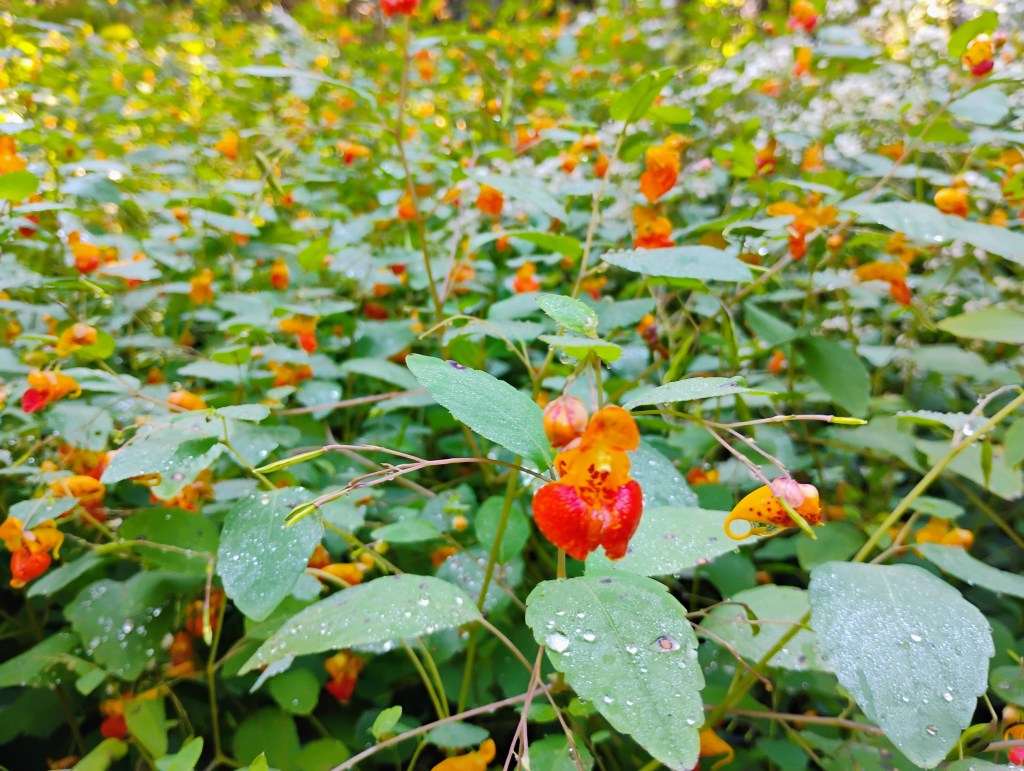
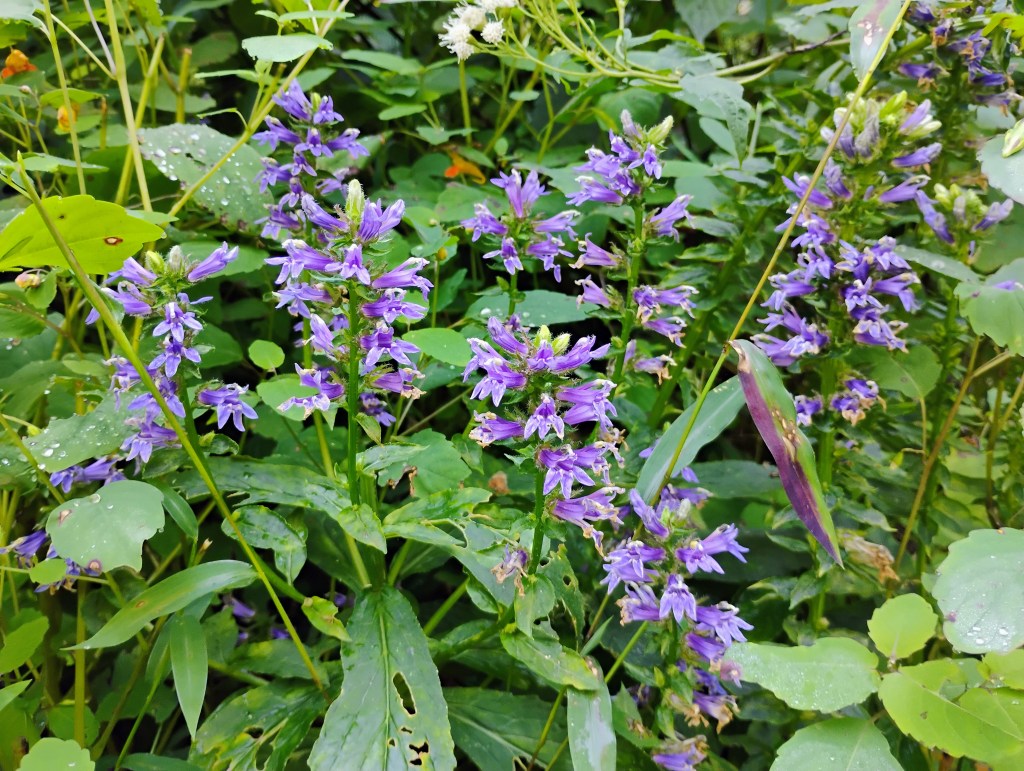
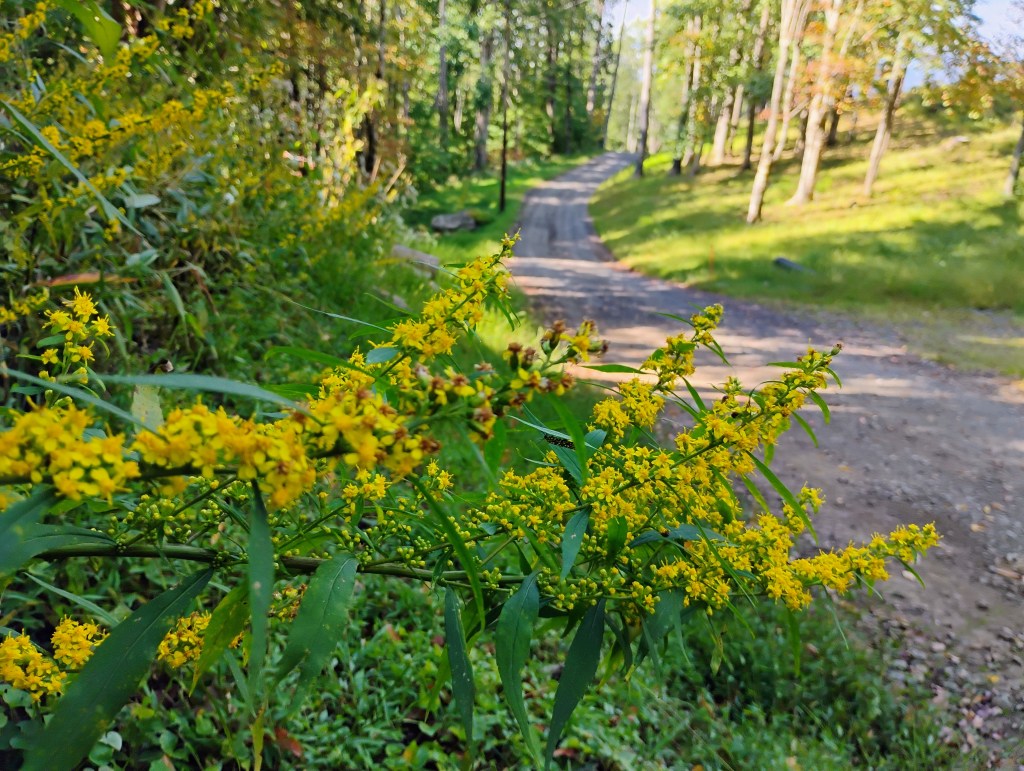
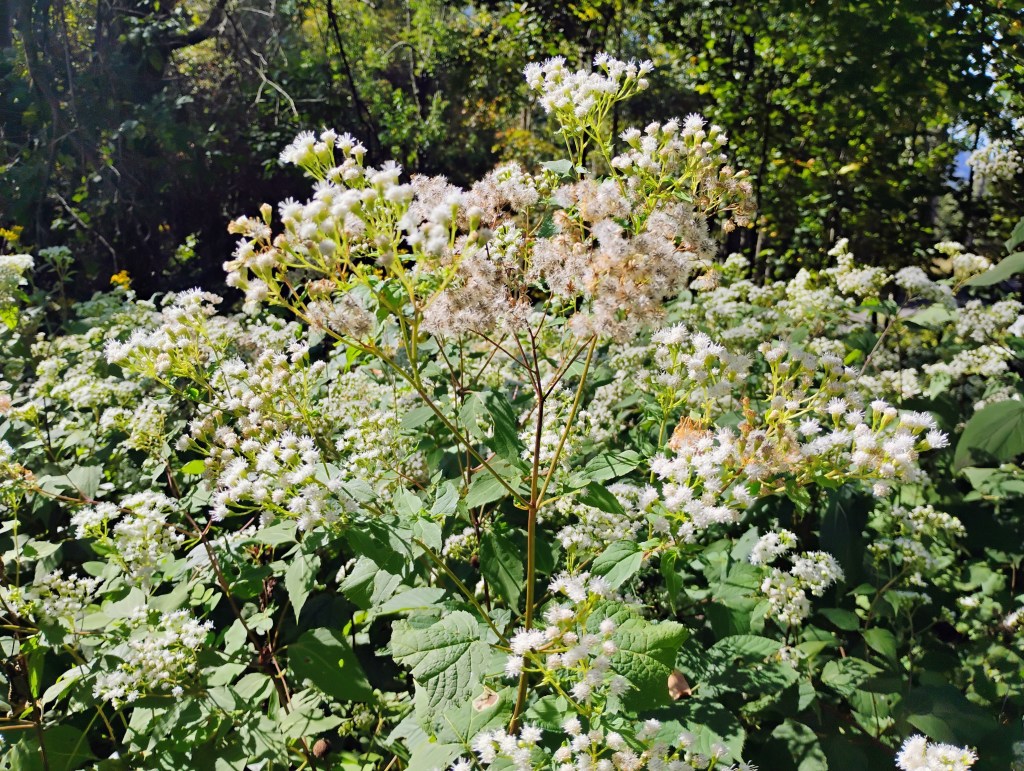
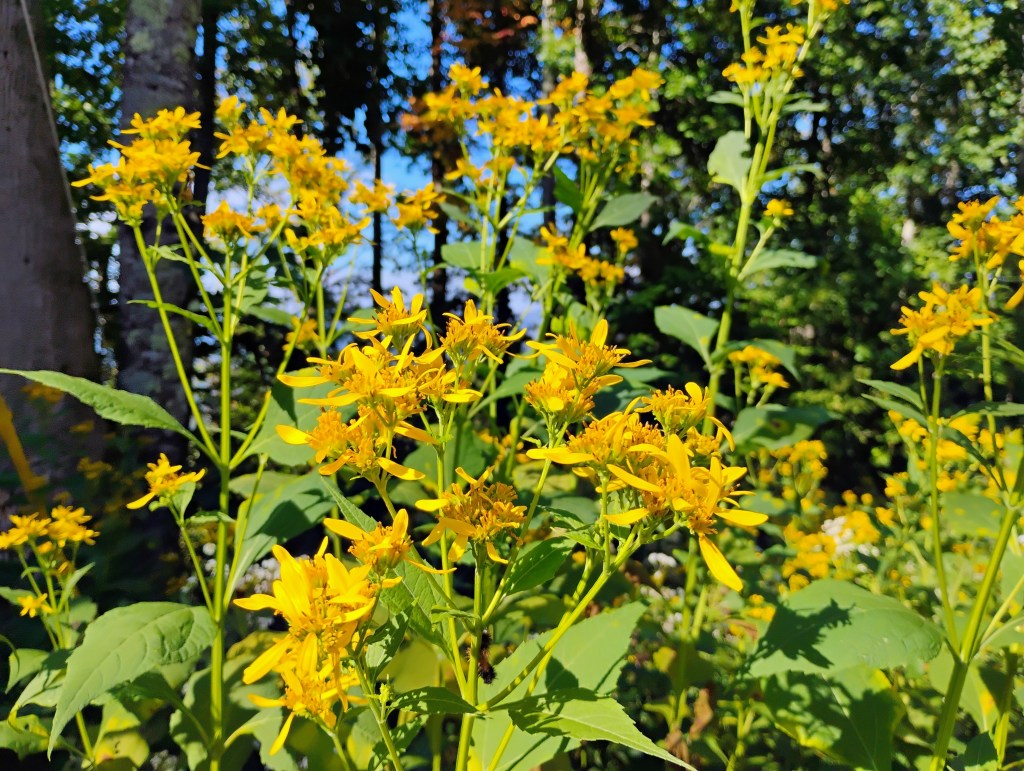
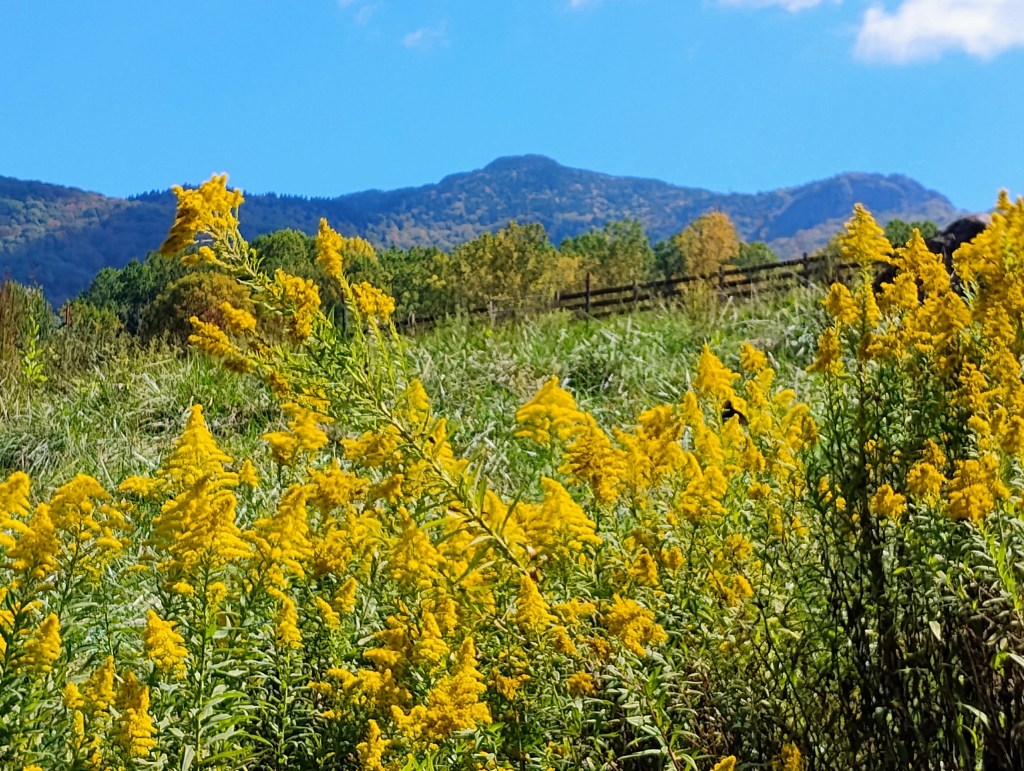
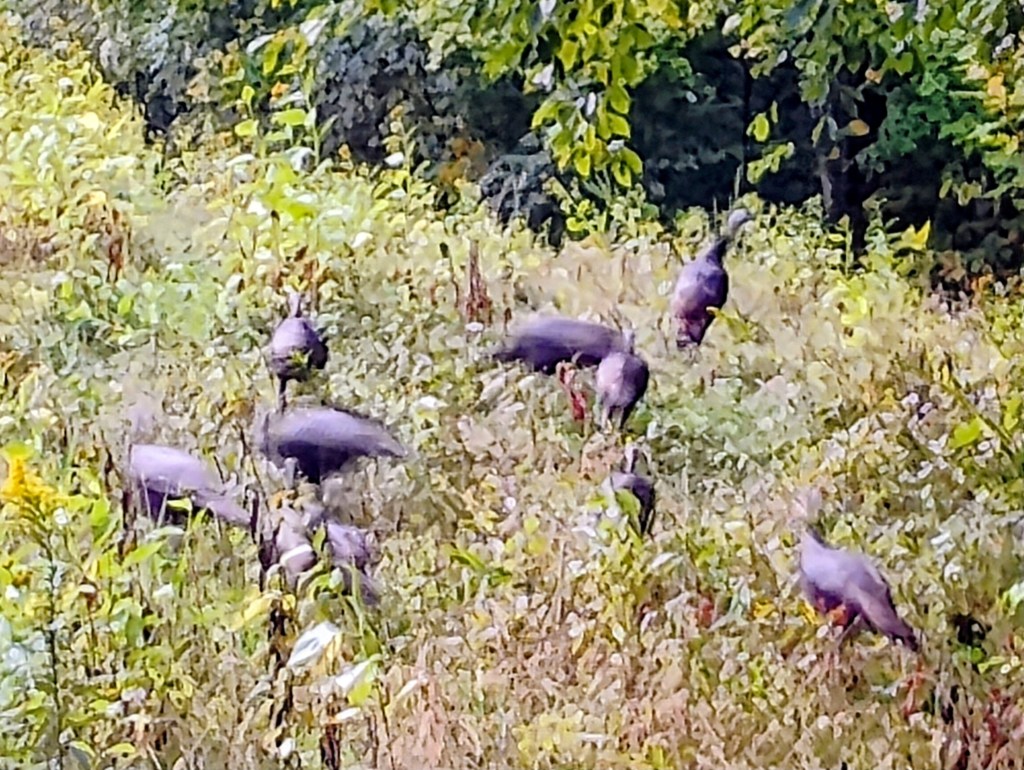
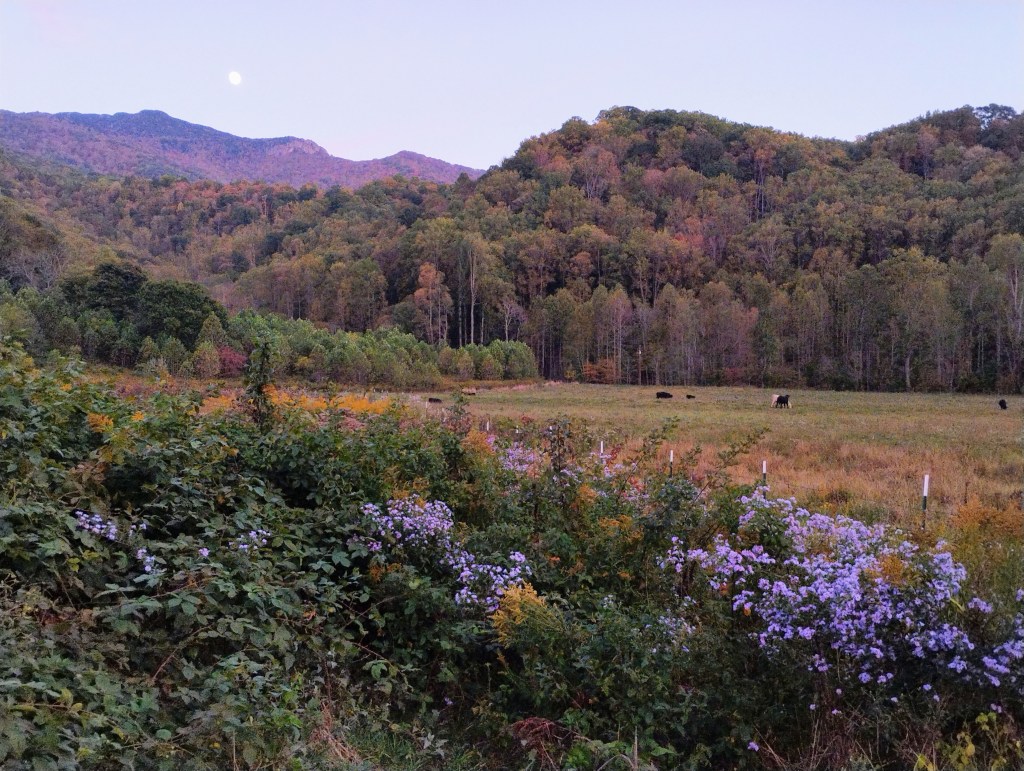
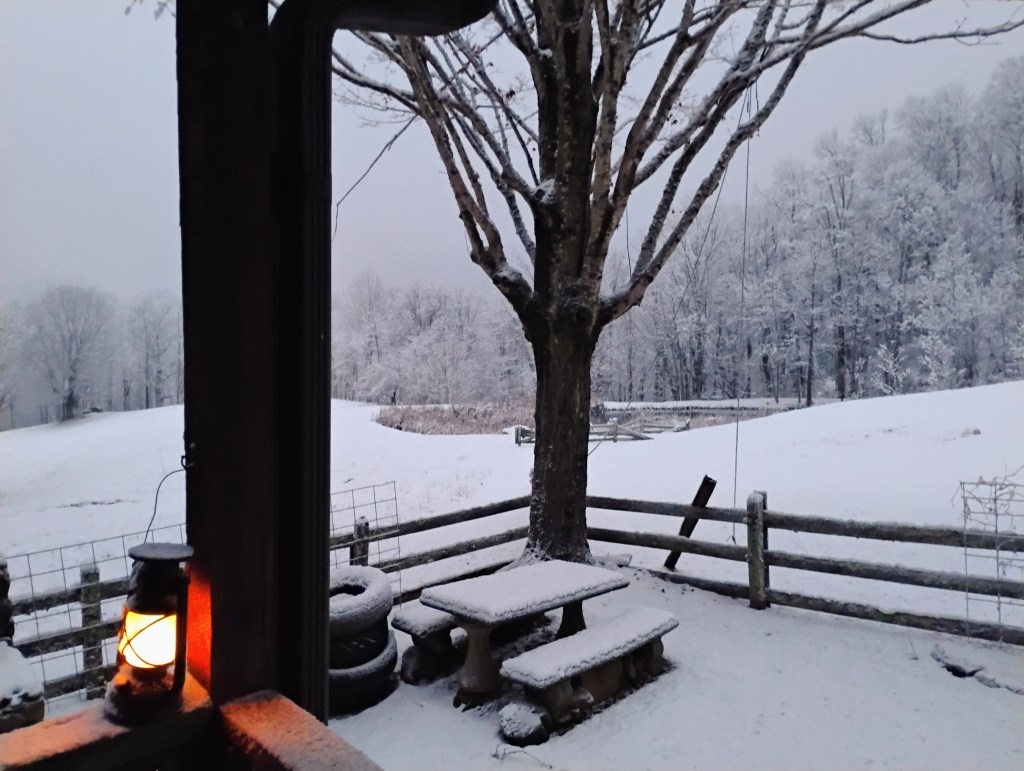
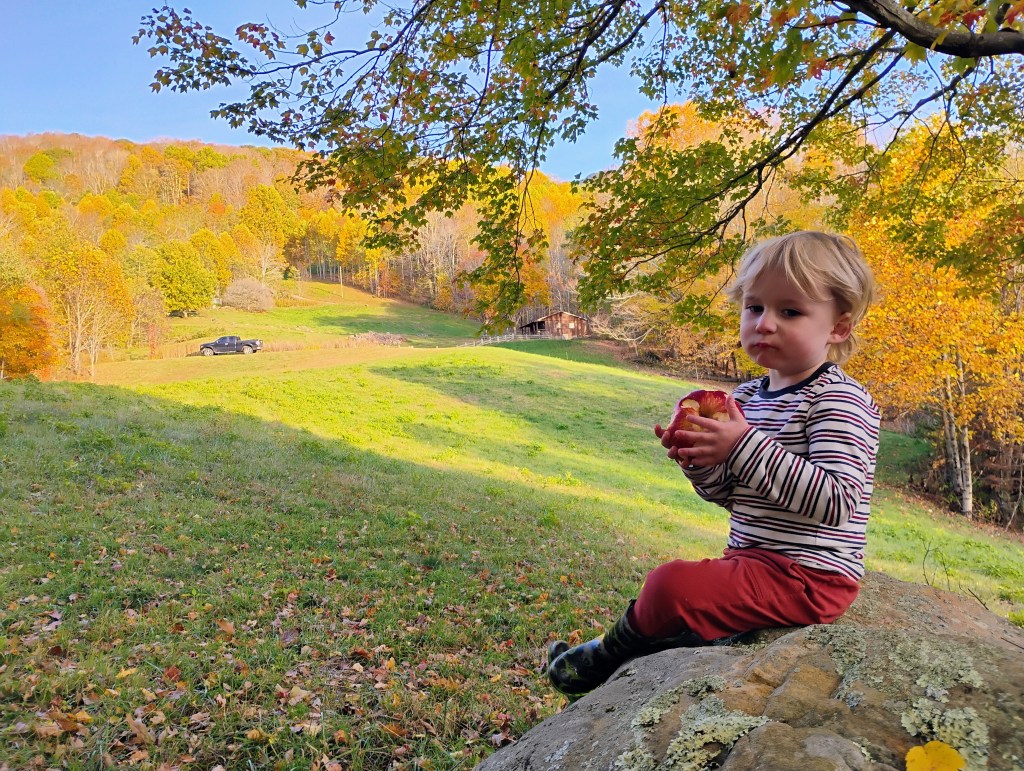
Here are some photos from Fall…
Winter 2025-2026
We had a very cold late Fall and early Winter. For 3 weekends in a row we had snow, ice, sleet and well below freezing temperatures. As a result, the roads were dangerous and impassable without good, all – terrain tires and four wheel drive vehicles. Highway tires just couldn’t make it.
We had some power outages and some water pipes froze as a result of the cold and wintry weather. Thankfully, most of our full time residents were equipped for this. I’ve tried to keep everyone up to date with the weather forecasts and road conditions with my HOA Facebook posts. It’s important to realize that you need to always be prepared for winter conditions.
Amber Ranches was intended to be a seasonal community. The weather above 3,500 feet in elevation is not ideal for full-time residency. Full-time residents must be fully educated and prepared for winter. If you need help preparing for winter, please let me know and I’ll help you.
Winter isn’t over, but we’ve had some warmer weather here recently. This will allow us to continue working on the leaf and debris removal from our ditches and culverts. Come spring, we’ll definitely need some loads of roadbond for our roads. We’ll also need some more tires for the back of the tractor. As Granddaddy would describe them, “they’re slick as a mole’s back.”


 Hardin Brothers Landscaping
Leave a comment