More Snow
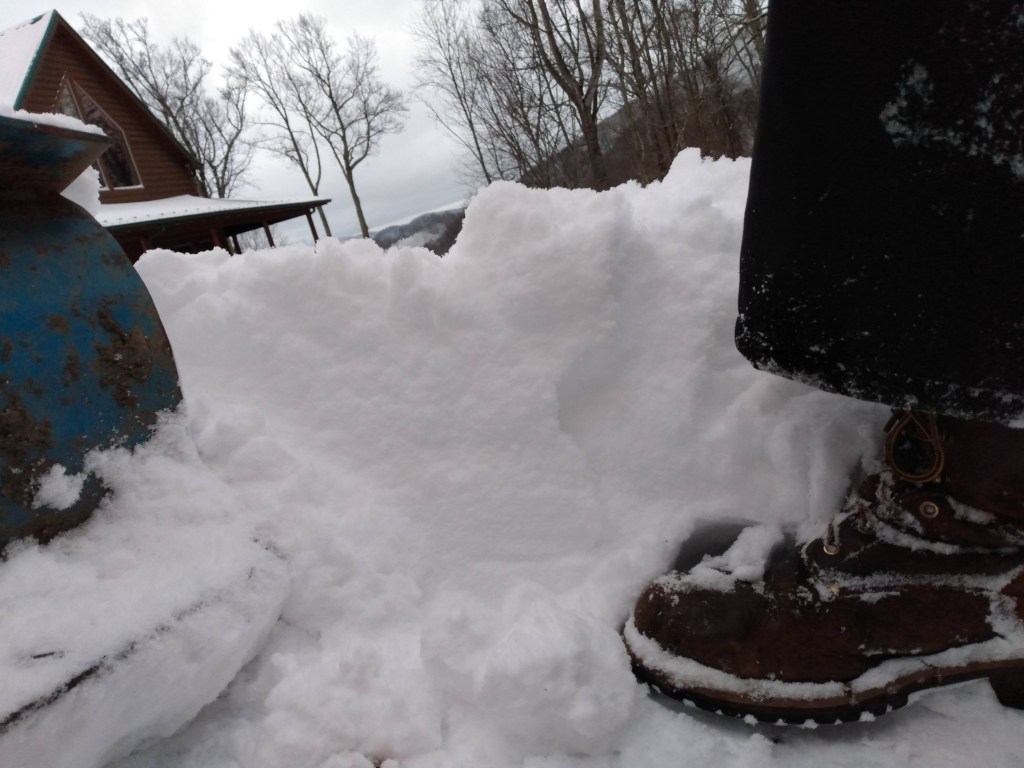
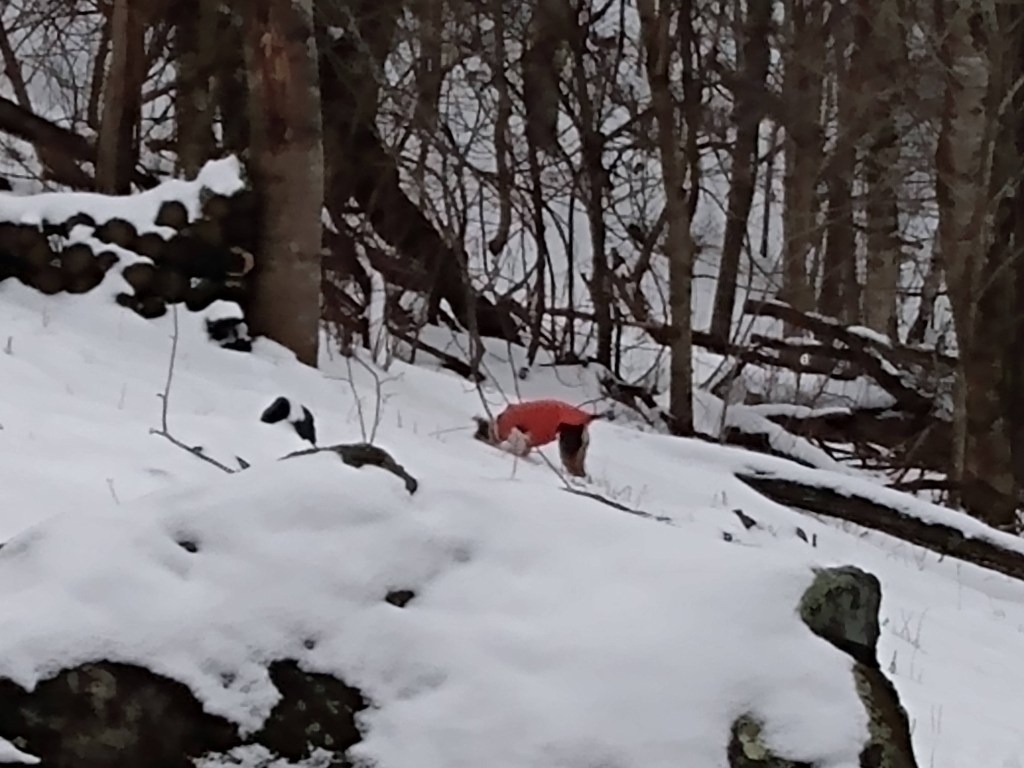
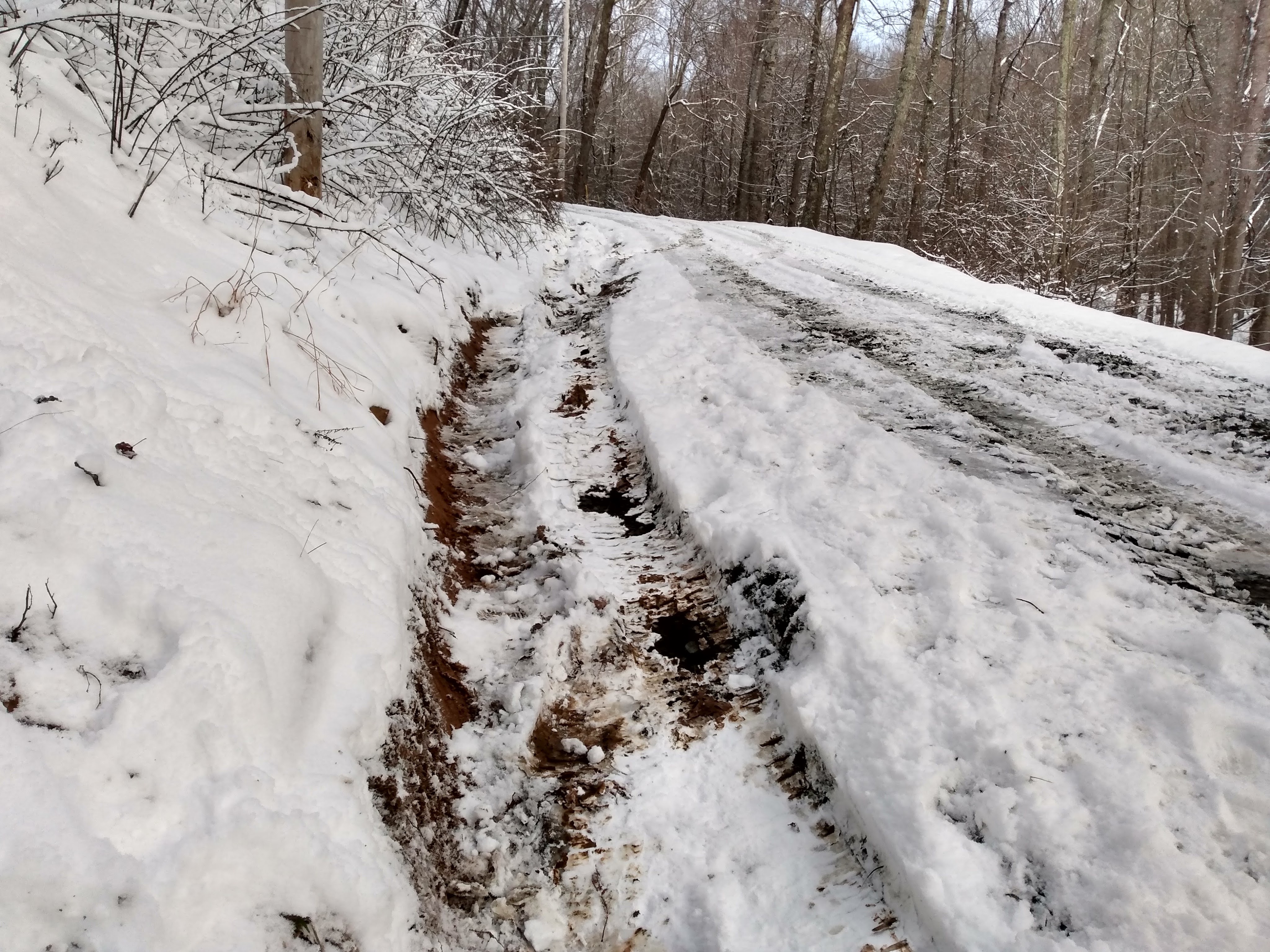
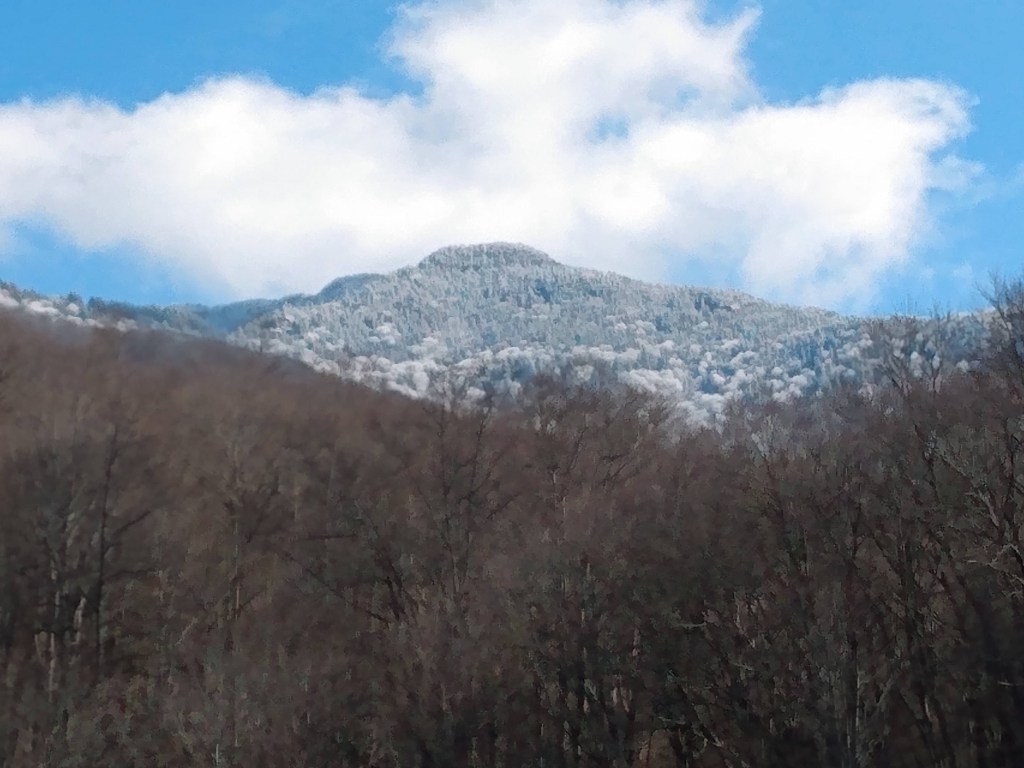
Thankfully, our temperatures in January weren’t nearly as low as they were back around the holiday season. However, we did have a pretty good snow!
Hardin Brothers Landscaping
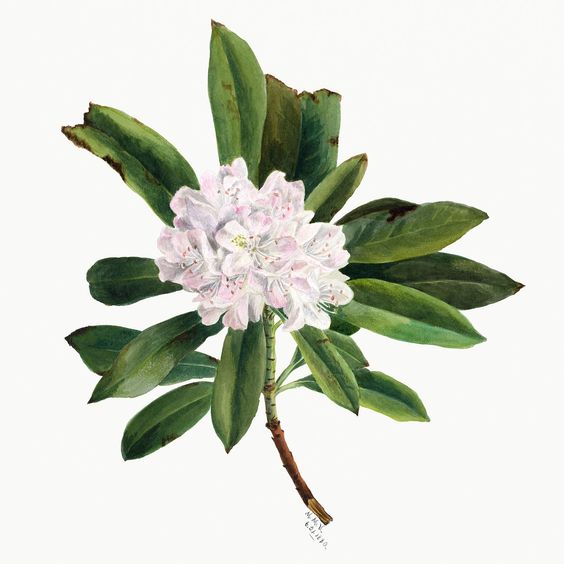
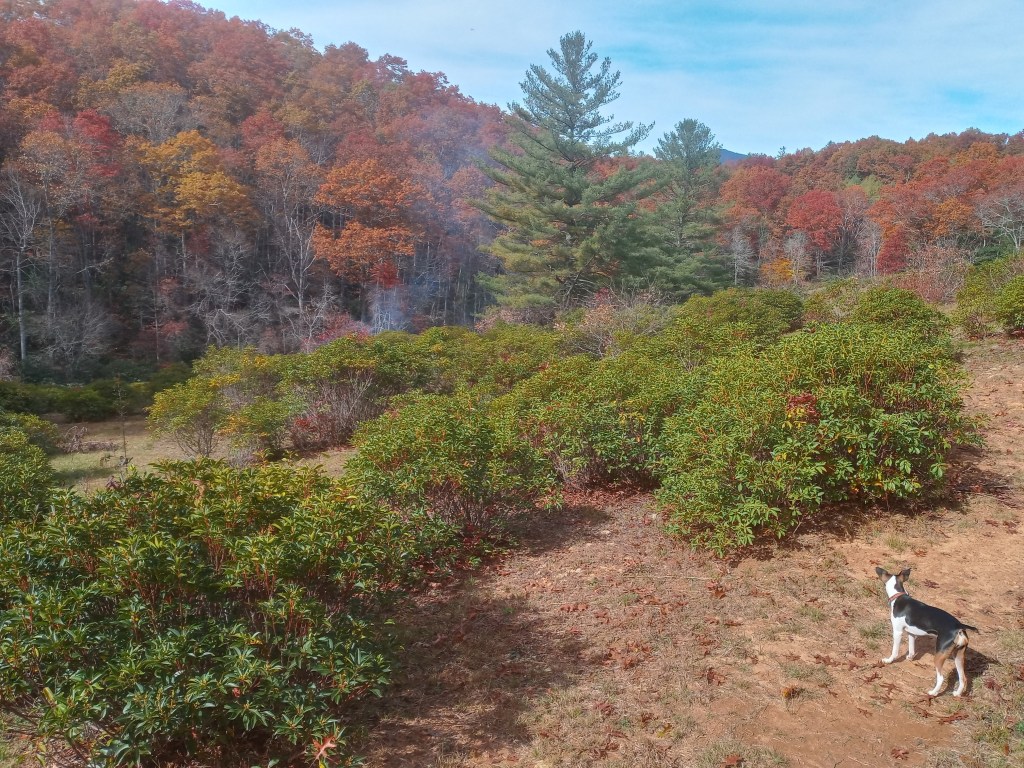
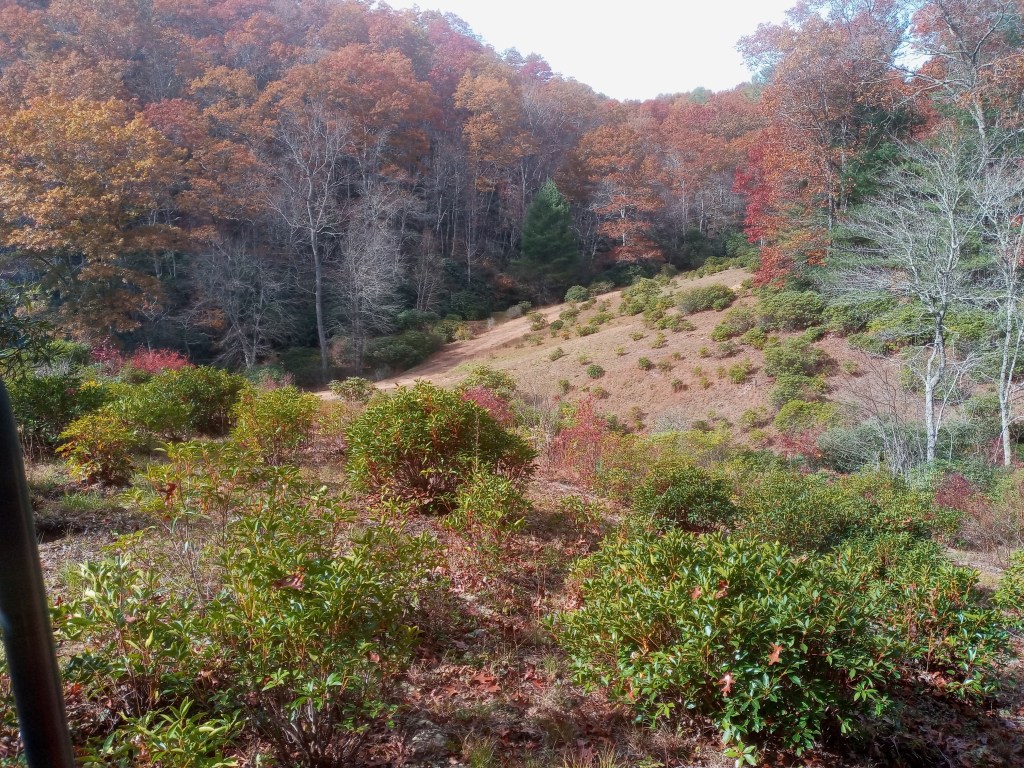
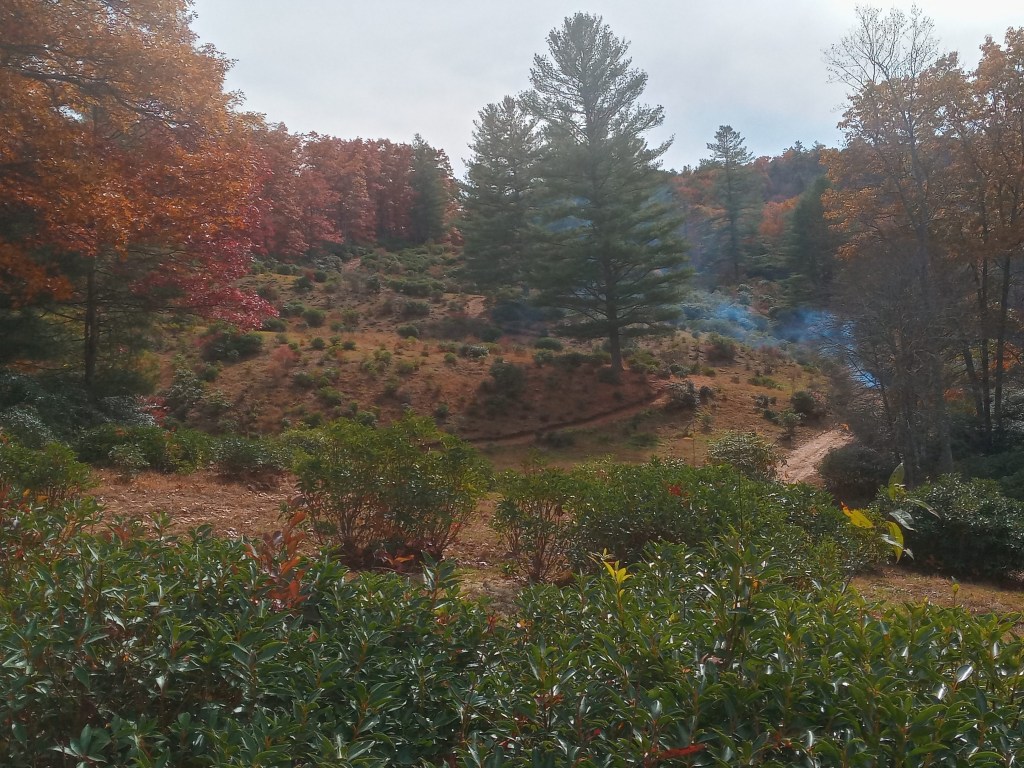
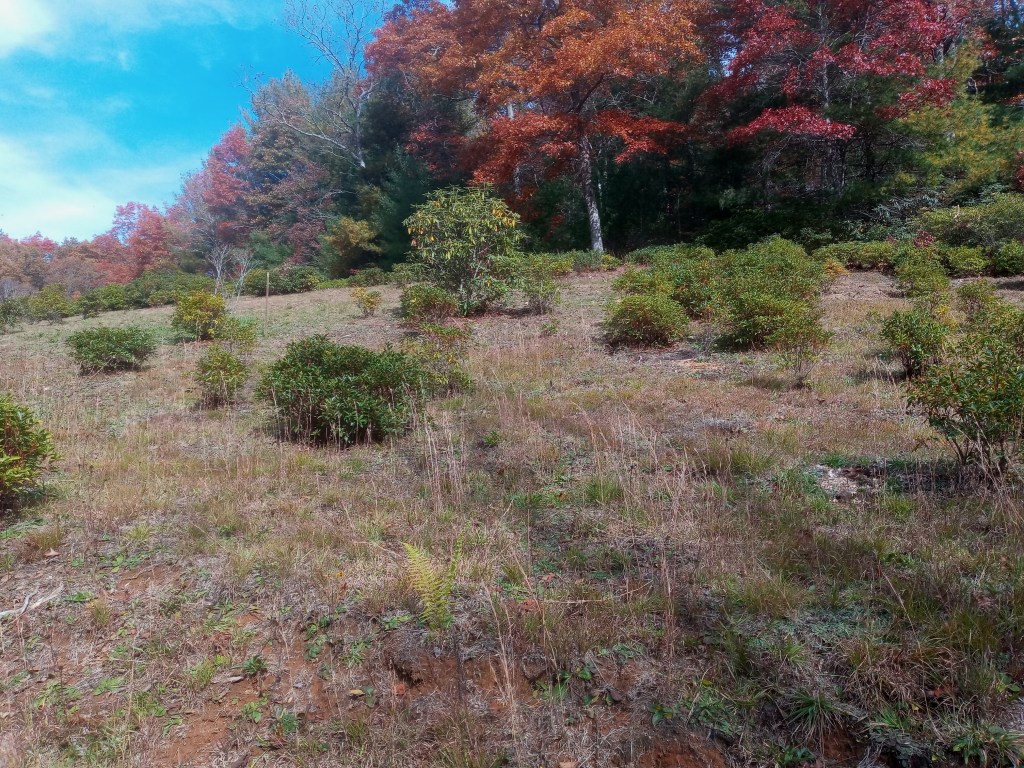
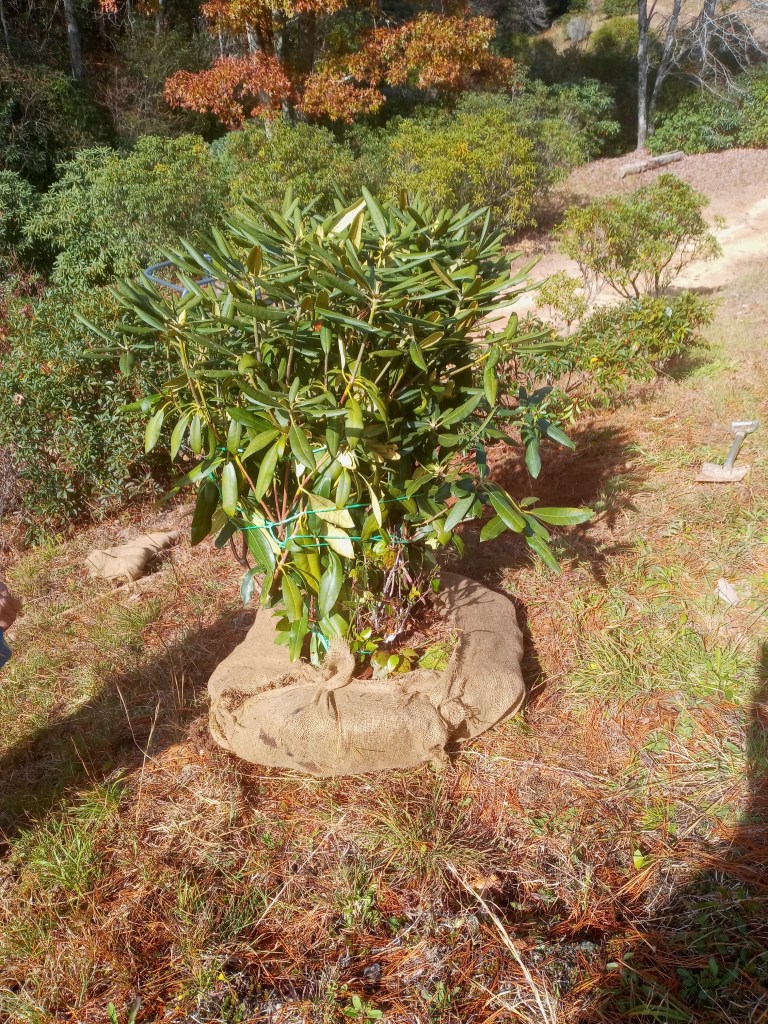
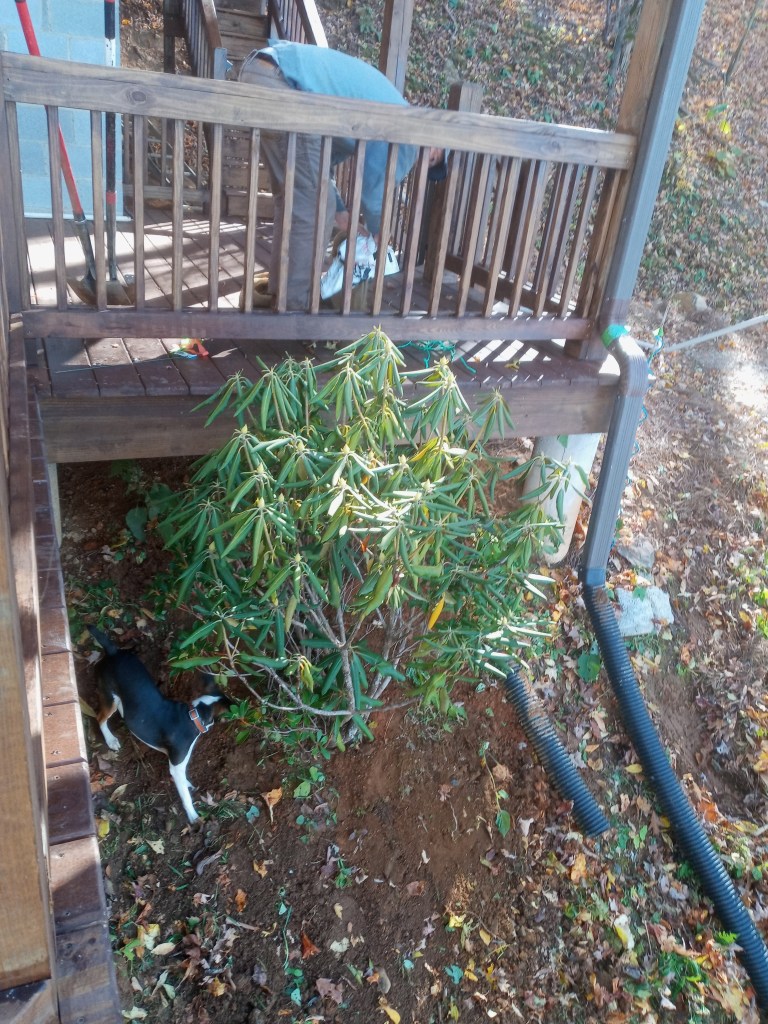
As spring draws nearer, please consider planting some native plants like rhododendrons and mountain laurels on your property. Non-Native plants can be invasive and that’s why we strongly recommend consulting with a plant professional before planting out whatever catches your eye.
My Uncle Hank Hardin has an 18 acre farm near Spruce Pine, NC that offers various sizes of native rhododendrons and and mountain laurels. Please text or call me at 828-208-1986 if you are interested in planting out some of these wonderful plants on your property.
Raised on a Farm Back Before Amber Ranches
In the last issue of Amber Ranches news I wrote about my Uncle Earl Troutman’s mother Ada “Ader” McKinney Troutman who was born and raised inside of the modern-day Amber Ranches housing development. Her mother Biddy Mosley McKinney and father Anderson “Anse” McKinney lived and farmed the upper portion on the mountain long before Amber Ranches existed. Biddy’s mom and dad also lived and farmed the mountain and are buried in the Mosley Cemetery on Megan’s Loop. Below is a story from Ada’s sister Pearl McKinney Green who was also born and raised on the mountain. This story was collected by the Blue Ridge Reading team in the early 1990s…
Raised on a Farm : By Pearl Green
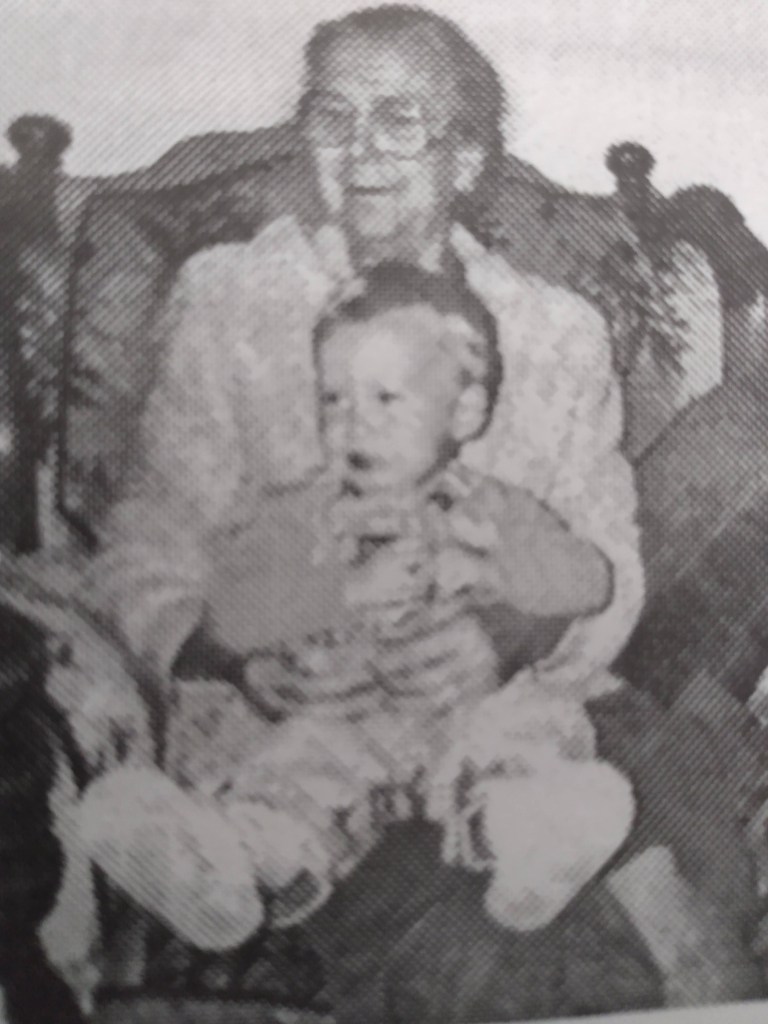
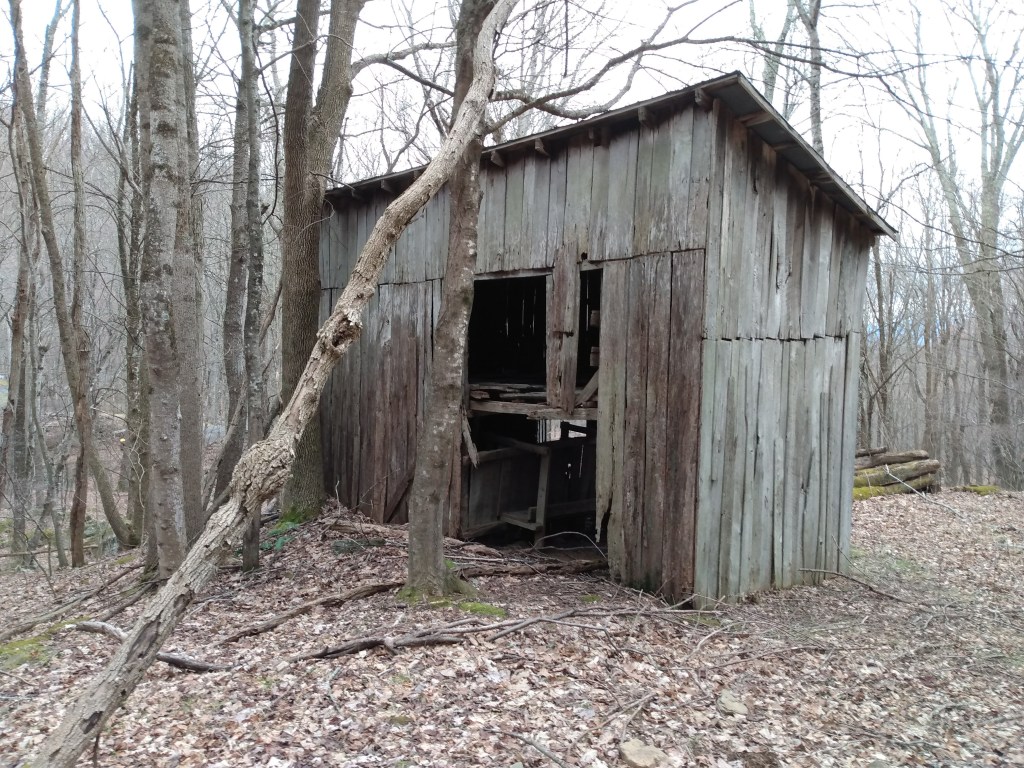
“I was born and raised at Upper Big Rock Creek (an old name for Buladean), and I lived there until I got married and come over to Fork Mountain.
When I went to school, hit [sic] started in July and lasted till December. I went to about the sixth grade. I guess I had more education at the sixth grade than most of them has now when they finish school. When you went to school, you had to get hit [sic] or they would get you.
My dad was a sawmill man. My mother, when she was growing up, worked at the Old Roan Hotel (Cloudland Hotel).
I was raised on a farm. We raised beans and corn and everything that could be raised on a farm, apples, peaches and everything. We never thought about canning less than four or five hundred cans of stuff. We canned everything that growed [sic] in the garden. My mother packed the cans away in sawdust to keep them. They kept, too. Never had one to bust. We had cows and hogs.
The twenty-eighth day of May, I don’t know what year hit [sic] was, but hit [sic] come a cold spell and killed all our beans, but hit [sic] didn’t kill the corn. The corn come back. Mommy give me a quarter and sent me to Granny Bowman’s and I give her a quarter for a half gallon of beans. I took them back home and we started planting beans all over that cornfield. We already had the fertilizer and corn. We dropped the beans beside the corn and covered them up. I never seen as many beans growing in all my life. I think they growed [sic] twice. We used fertilizer, but I don’t know the name of hit [sic].
We had to walk to school, about two miles. The school was at Middle District (Freewill Baptist Church at the bottom of Broad Branch Road on Highway 226). We had different teachers every year. We had a one-room schoolhouse. We went to the eighth grade up there, I guess. Two teachers taught all the grades up there. There was about one hundred children went to school up there. I have an old picture of them.
We bought what clothes they had in the store to buy, but my grandmother was a seamstress. She could make anything they was to wear. She had patterns to cut them by. If I was to cut one, I would make a mess of hit [sic]. We made quilts but I never did like to do that, and still don’t. We pieced the quilts with our fingers and quilted them. We got cloth at the store to make quilts. You could get any kind of cloth you wanted. Grandma would always save every scrap.
My daddy (Anderson “Anse” McKinney) died January 5, 1931. When my dad died, he had a nice coffin. Cancer of the stomach is what killed him. He was fifty-nine years old when he died. He had cancer for about three years. He went to Statesville to Dr. Long’s hospital, and never was able to do anything else. My mother carried on with the farm work while he was sick. He had a little money saved up when he got sick, but hit took it all. I guess his hospital bill down there was five hundred dollars. There wasn’t no [sic] funeral homes then. They went down to Forbes’ at Toe Cane. He sold caskets. You could get any kind of casket you wanted then. They was all wood. he had a nice funeral. We had to just pay for hit the best way we could. We raised stuff to sell, cattle. If you wanted to get work to do, you could get plenty of work, farm work. But you didn’t get much money for hit. The first day I ever hoed corn for anybody, I got a dollar and a half a day and that was big wages then [sic].
They took them that died to the church. Poppy’s funeral was up here at this little Presbyterian church (the Presbyterian Church on Blevins Branch Road in Buladean). John Young preached his funeral.
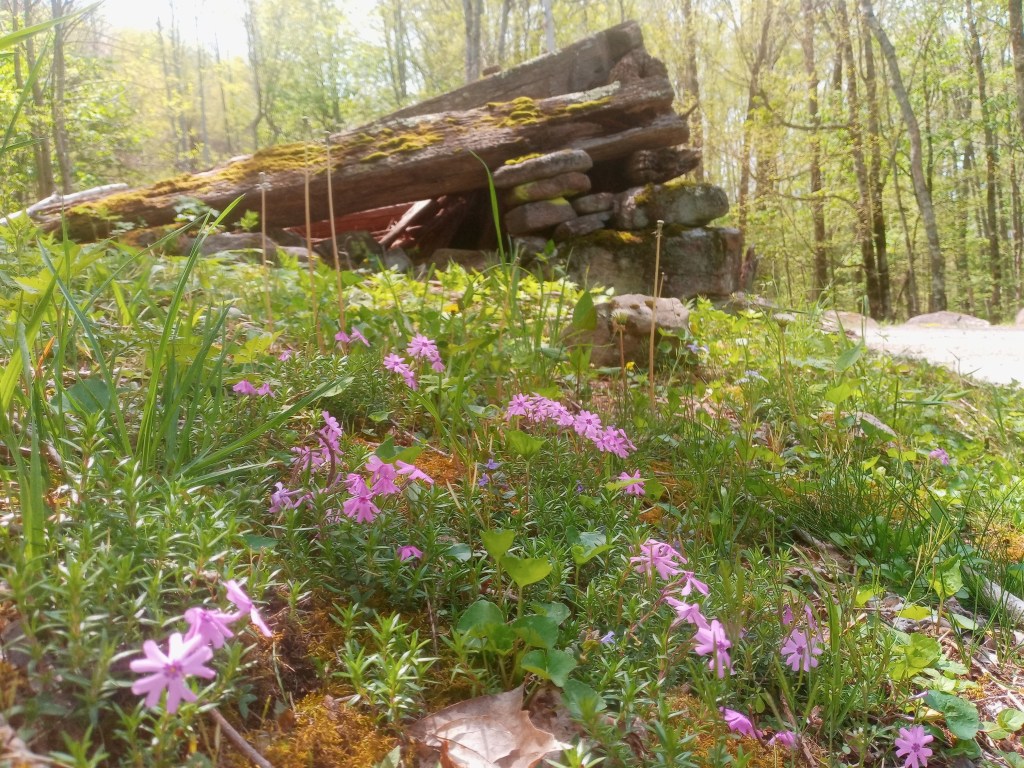
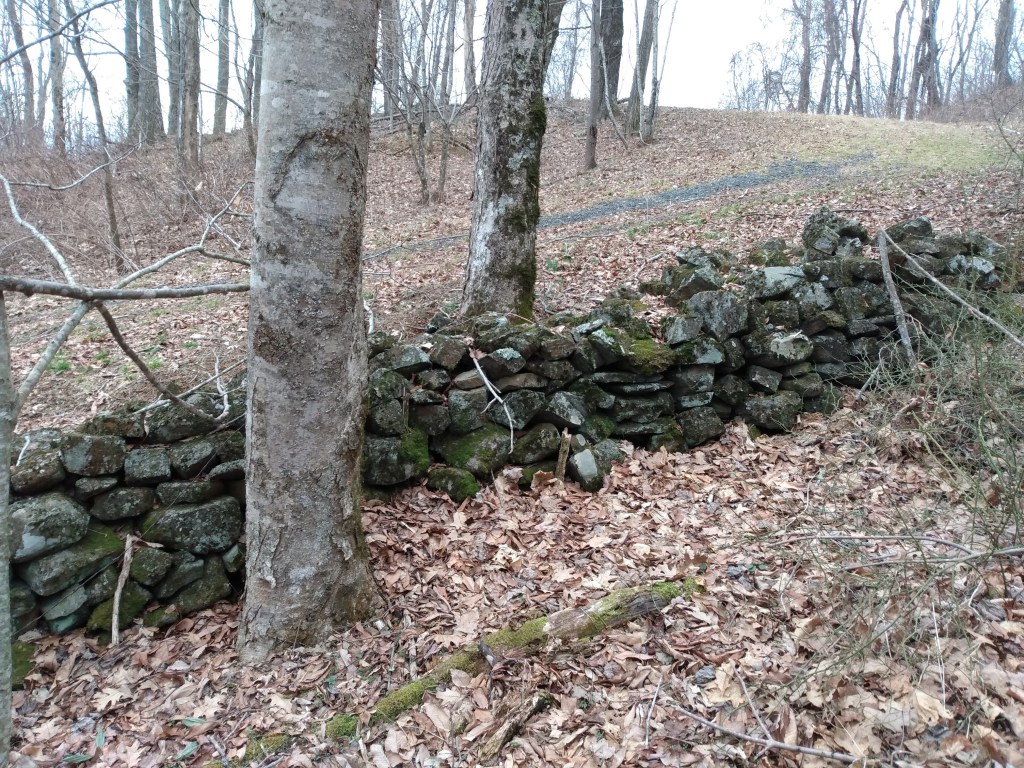
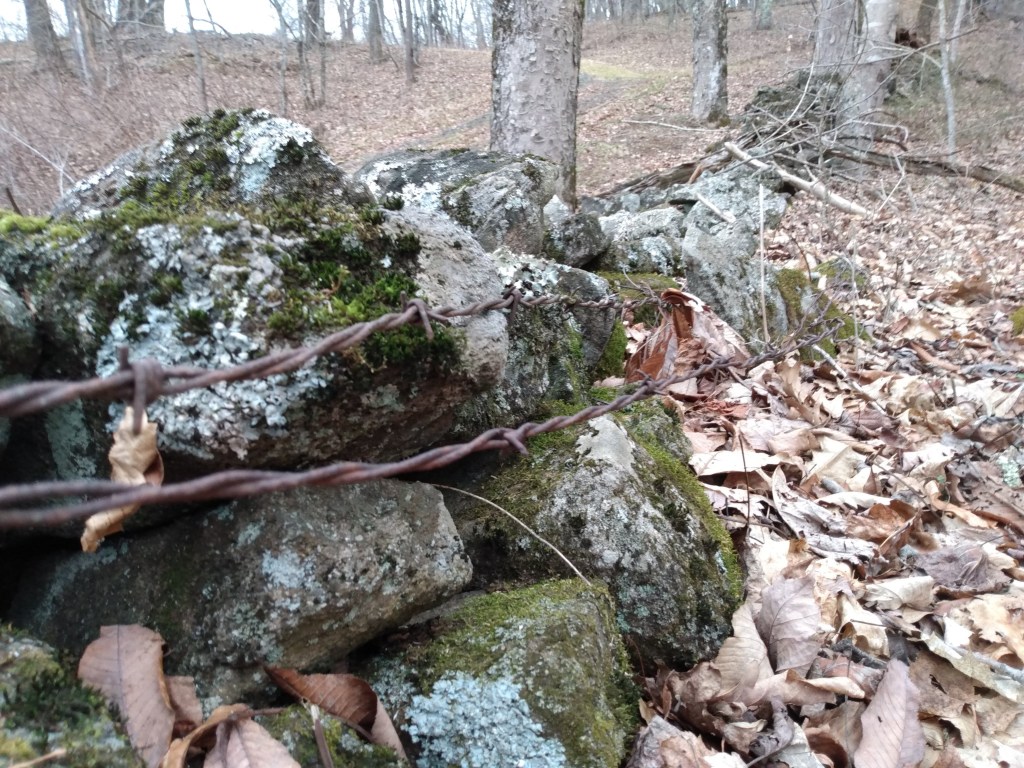
I got married the fifteenth day of February, 1931, to Roy Green. We lived in the house with Mommy a year. Then we come over here to Fork Mountain and built us a home. We lived different places. We lived in the house with Roy’s daddy till we got this house built. We moved out to the Mosley Place (modern-day Amber Ranches) and lived there a while, then Roy built our home up there at the side of the road, where hit’s [sic] at now.
Roy worked on the Roan cutting timber. One day he and his brother were home cutting hay when a little boy came and told me Roy’s mules had been shot on the Roan. This was horrible news to us and we couldn’t imagine why anyone would want to shoot our animals. They were very valuable to us since Roy used them in getting out the timber. The men that worked on the Roan stayed up there most of the time in shacks. The horses and mules were left to roam around. (Note: In the old days, local farmers (including my Great-Grandparents would herd their livestock up to free-range graze the Roan Mountain Balds after the spring planting season. The fertile mountain valleys were farmed and the mountain tops were used for grazing livestock. In late summer, these farmers would then herd their livestock back down the mountain to the warmer valleys to help harvest their farms and keep them through the winter.)
When Roy went to find out what had happened, he found that his boss’ wife had shot his mules and Hobart’s mare because they were drinking out of her spring. Roy and Hobart took out a warrant on her. On court day, she didn’t show up, but let her husband take care of things. The best I remember, Roy got paid three hundred dollars for his mules. The lady said she didn’t think them little bullets would kill that big an animal. I guess she found out.
My grandpap, Charles, froze to death on top of the Roan. The Gouges were caretakers of the (Cloudland) hotel then. Grandpap, Lum, a woman and her little child, started up there to spend Christmas with them. The weather turned colder than they expected. My grandpap was drinking. They stopped to rest and he froze to death. This happed when my dad was a young’un [sic]. I don’t know the year, but it would have been around 1890. My grandpap was sheriff of Mitchell County at one time.”


 Hardin Brothers Landscaping
Leave a reply to WAYNE EDWARD LAUGHLIN Cancel reply